Under $200 the circular saw to buy is the SKILSAW SPT77WML — a 15 A worm drive in a magnesium body, with the blade on the left so a right-handed user sees the cut line. It is for anyone cutting thick, wet or knotty stock, where a worm drive's gear reduction means the saw simply does not slow down. The budget pick is the SKIL 5280-01, which has the same full 15 A motor as everything else here and comes with a carbide blade and a bag — the right purchase for a sheet of plywood four times a year.
Every price on this page comes from our live price layer, last checked November 23, 2026, and the cap is applied to that number rather than to a remembered one. Circular saws move in and out of this band constantly, so if a pick has crossed the line since that date, the price beside it is the one that counts, not the headline.
What the $200 cap actually excludes
Not the motor. Every corded saw on this page has the same 15 A motor as saws costing three times as much, because 15 A is the most a standard North American circuit will give a handheld tool and there is nowhere above it to go. That is the useful thing to understand about this category: the ceiling on power was reached decades ago, and above $200 you are buying everything else.
What the cap does exclude is cordless. A full-size 7-1/4 in. cordless saw sits above $200 as a bare tool before you have bought a single battery — our circular saw roundup covers that end, where the DEWALT DCS570B and the compact Makita XSH04ZB live. If losing the cord is the thing you actually want, this is the wrong page and no amount of shopping will fix it. Everything under $200 is corded.
It also excludes the magnesium sidewinders at the top of the corded market, and the Makita 5007MG that leads our uncapped roundup. What it does not exclude, and this is the surprise, is a magnesium worm drive.
Worm drive or sidewinder, which is the real decision here
A sidewinder — the familiar shape, motor beside the blade — is lighter, more compact and faster at the blade. A worm drive puts the motor behind the blade and gears it down, trading blade speed for torque, and the layout puts the blade on the left of the body where a right-handed user looks straight down the cut line.
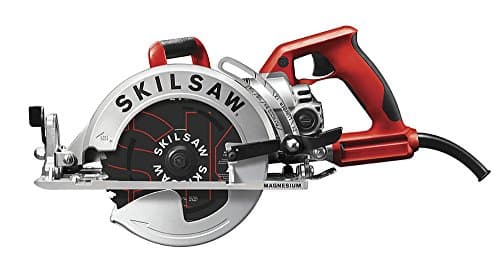
The SKILSAW SPT77WML is the interesting saw in this band because it is a worm drive in a magnesium housing, which is what keeps a layout that is normally heavy down to a weight you can hold up. The gear reduction is why it does not bog in wet 2x stock, and the blade-left view is why cuts follow a pencil line. The trade is honest: it is still heavier than a sidewinder, the balance is nose-heavy, and a worm drive needs an occasional oil change that a sidewinder does not.
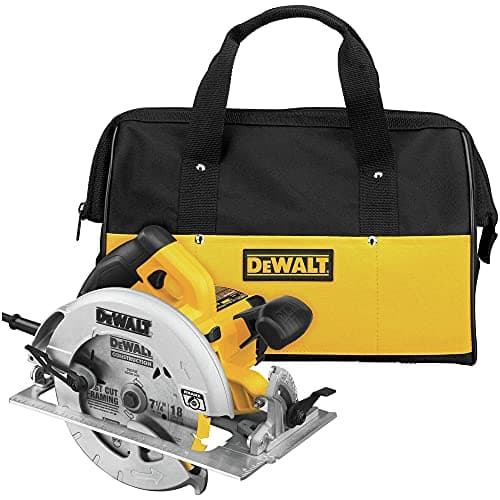
The DEWALT DWE575SB is the sidewinder answer and it is the saw to buy if your work is plywood and MDF rather than framing lumber. It is one of the lightest full-size circular saws made, and the electric brake stops the blade in a fraction of the coast-down time, which on a floor-level sheet with a lot of short cuts is a safety feature you feel every time you release the trigger. DEWALT publishes a 57-degree bevel capacity, which is further than most saws go.
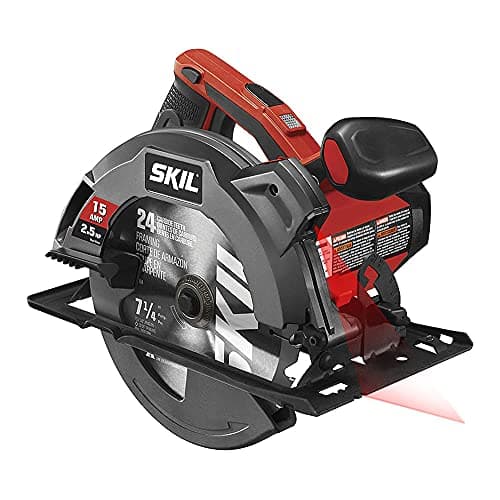
The SKIL 5280-01is the budget pick and the honest one. It is the same 15 A, 5,300 RPM, 2-7/16 in. depth of cut at 90 degrees, with a 51-degree bevel and a positive stop at 45. Where the money was saved is the shoe: stamped steel rather than cast or magnesium, and you can feel it flex if you lean on the saw. It comes with a 24-tooth carbide blade and a carry bag, which on a budget buy is most of a usable kit — though a 24-tooth blade is the wrong blade for plywood, which is the next section.
The blade matters more than the money between these saws
Every saw here ships with a general-purpose blade, usually 24 teeth, and that blade is chosen to cut framing lumber fast. In plywood it chips the face veneer, and no amount of care with the saw will fix it, because the problem is bite per tooth rather than technique.
A 40- to 60-tooth plywood blade in a 7-1/4 in. size costs a fraction of any saw on this page and changes the cut quality more than the difference between the cheapest and the dearest saw here. The geometry is the same as on a table saw, and best table saw blade for plywood works through why — tooth count, alternate top bevel, and support under the cut line.
The other free improvement is remembering which way the blade exits. A handheld saw cuts upward through the work, so the good face of the sheet goes down. That is the opposite of a table saw and it is the most common reason a careful cut still chips.
Side by side, as published
| Saw | Layout | Published motor | Published bevel | Shoe |
|---|
| SKILSAW SPT77WML | Worm drive, blade left | 15 A | Not published on the page we read | Magnesium construction |
| DEWALT DWE575SB | Sidewinder | Corded; amperage not published | 57 degrees | Not published |
| SKIL 5280-01 | Sidewinder | 15 A, 5,300 RPM | 51 degrees, stop at 45 | Stamped steel |
Every figure above is the manufacturer's own published number for the exact SKU we link, and the blanks are real. SKILSAW publishes the motor rating and the magnesium construction for the SPT77WML but not a bevel capacity on the page we read; DEWALT publishes a bevel and an electric brake for the DWE575SB but no amperage. Published weights for the SKIL 5280-01 vary between retailer listings from 5.0 to 10.1 lb for the same saw, so we quote none. We did not weigh a saw or time a cut — there is no lab here, which the methodology page says plainly.
What to buy, in order
Thick stock, wet timber, deck framing or a saw that has to keep going when the wood fights back: the SKILSAW SPT77WML. Plywood, MDF and furniture parts, where weight and a quick brake matter more than torque: the DEWALT DWE575SB. A few sheets a year and a budget that has other calls on it: the SKIL 5280-01, plus a plywood blade, which together still cost less than the worm drive.
If the real job is breaking down full sheets of plywood accurately, best saw for cutting plywoodis the page to read first — a guided track saw changes that job more than any handheld saw does. And if you are weighing a circular saw against a table saw as a first machine, table saw vs circular saw argues that one out properly.