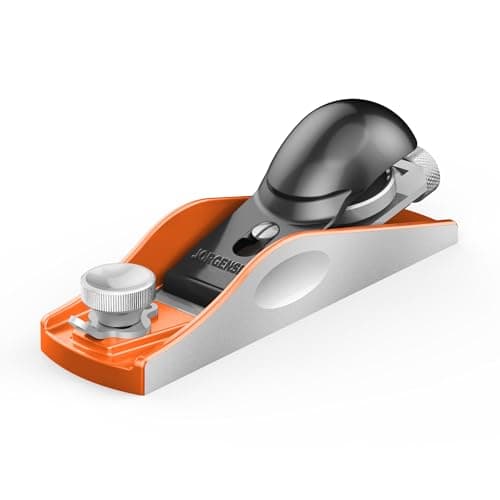
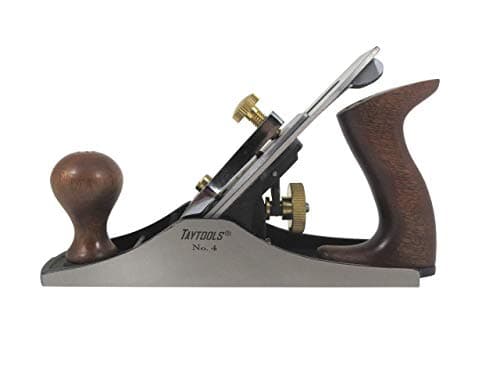
Under $100 the bench plane to buy is the Taytools 469614 No. 4 smoother. It is for someone who wants to smooth a surface by hand and does not want to spend an evening fixing the tool first: Taytools publishes a 9-3/4 in. ductile cast body with the sides and sole lapped at the factory, a blade rated at 55 to 60 HRC, and a sapele tote. Factory lapping is the thing almost nothing else in this bracket offers. The budget pick is the Jorgensen No. 60-1/2 low-angle block plane— the cheapest plane here, with a published 3 mm O1 iron bedded at 13.5 degrees and an adjustable mouth, and the plane a beginner actually picks up most.
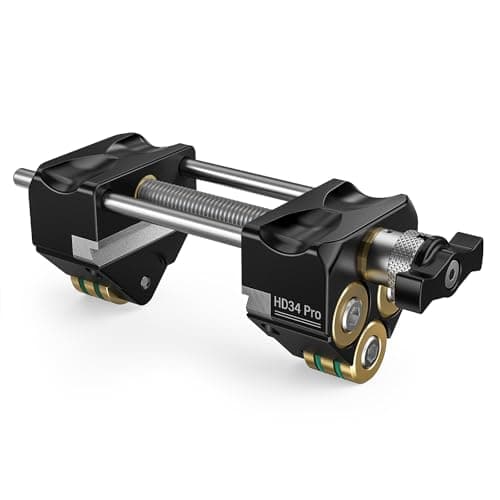
One warning before the picks, and it is the most useful sentence on this page: no plane at any price arrives sharp enough, and under $100 that matters more rather than less. The Hongdui HD34 honing guide is the fourth pick for exactly that reason. Prices come from our live price layer, last checked November 23, 2026, and the cap is applied to that number rather than a remembered one.
What the $100 cap excludes
One thing: a thick iron in a heavy, accurately machined body. That is the whole premium-plane proposition, and it is a real one. A thick blade resists chatter — the high-frequency vibration that leaves a washboard surface when a thin iron flexes against difficult grain — and mass carries the plane through a hard patch instead of stalling in it. Our hand plane roundup ranks the WoodRiver No. 4 first for those reasons, at roughly two and a half times this cap, and Lie-Nielsen alternatives breaks down which part of a premium plane you are actually paying for.
What the cap does not exclude is a plane that works. A plane is a blade held at an angle in a box; under $100 the box is thinner and rougher and the blade is softer, and all three of those are improvable by you at the bench. That is the honest case for buying cheap and spending the difference on sharpening.
Buy the block plane first, whatever you intend to do later
Almost every list of first hand planes starts with a No. 4 smoother, and almost every beginner reaches for a block plane instead. The block plane wins because it is small enough to use one-handed, it trims end grain, it eases an edge, it chamfers a corner, it fits a pocket, and the consequences of a mistake with it are measured in thousandths rather than in a ruined board.
The Jorgensen No. 60-1/2is the one to buy because of two published figures. The blade is bedded at 13.5 degrees — a low-angle plane, which is what you want for end grain, because a low bed presents the cutting edge at a shallower angle and slices the fiber ends instead of crushing them. And the iron is a published 3 mm of O1 steel, which is thicker than the budget planes it competes with and therefore chatters less. The adjustable mouth closes down for a fine shaving on difficult grain and opens up for a coarse one.
O1 is a plain carbon tool steel. It takes a keener edge more easily than the A2 alloys in premium planes and it loses that edge sooner. For a learner that trade is the right way round: you want a steel that rewards a few minutes on a stone, not one that punishes an imperfect technique.
The two No. 4 smoothers, and why one costs more work
A No. 4 is the standard smoothing plane: around 9 to 10 in. long, 2 in. wide, used for the last passes on a flat surface before finish. Both planes here are that size and the difference between them is how much of the work has been done for you.
The Taytools 469614arrives with the sides and the sole lapped, which is most of the setup work on a budget plane. A sole that is not flat means the plane rocks and the blade cuts in some places and not others; lapping it yourself means a sheet of abrasive on a known-flat reference and a methodical hour. Taytools publishing 55 to 60 HRC for the blade is also worth something — it is a respectable hardness for the money and most competitors publish nothing at all. Expect to flatten the back of the iron and hone the bevel before first use, and expect the frog and lever cap to feel less refined than a premium clone.
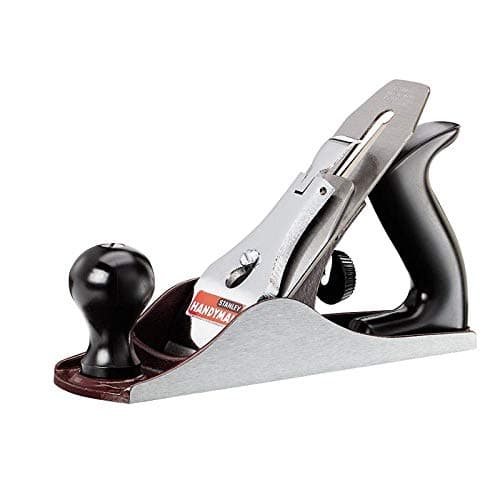
The Stanley Handyman No. 4is the cheap one, and it is honest about what it is. The iron is thin, which means chatter in hard or figured grain, and the sole and mouth usually want work before the plane performs. Its virtues are a price low enough that nothing is lost if you decide hand planing is not for you, a brand with parts availability, and that it teaches setup — flattening a sole and honing an iron are the real skills, and they transfer to every plane you ever own.
Our how to tune a hand plane guide walks through exactly that process, and it is the page to read next if you buy either of these. Hand plane types explained covers why a No. 4 rather than a No. 5 or a No. 7, which is a question this budget forces.
Spend a third of the budget on sharpening, not on the plane
This is the part most pages about cheap planes leave out. A $90 plane honed properly outperforms a $250 plane that has never been sharpened, every time, and nothing about that is close.
The Hongdui HD34honing guide is here because it holds everything from a narrow chisel to a wide plane iron — a published 0.1 to 3.2 in. range — in a machined body whose jaws close parallel, so the blade sits square to the stone. A guide is not mandatory; freehand honing is a skill and plenty of people have it. A guide is what makes the result repeatable while you are learning, which is the difference between a plane that works and a plane in a drawer.
You also need something to hone on, and that is a separate purchase this cap does not cover. Our sharpening stones roundup covers the options from a combination waterstone up, and how to sharpen chisels covers the method, which is identical for a plane iron. Budget for a stone before you budget for a second plane. For the rest of the shop under the same cap, our best woodworking tools under $100 applies this page's logic across eight categories.
Side by side, as published
| Tool | Type | Published blade | Published body | Setup needed |
|---|
| Taytools 469614 | No. 4 smoother | 55-60 HRC | 9-3/4 in. sole, ductile cast, lapped sides and sole | Flatten iron back, hone |
| Stanley Handyman No. 4 | No. 4 smoother | Hardness not published | Cast body, adjustable depth | Sole, mouth, iron |
| Jorgensen No. 60-1/2 | Low-angle block plane | 3 mm O1, bedded 13.5 deg. | 6-1/4 in., adjustable mouth | Hone, check sole |
| Hongdui HD34 | Honing guide | Takes 0.1-3.2 in. blades | Machined body, brass rollers | n/a |
Every figure above is the maker's own published number for the exact SKU we link, and the blank is real: Stanley publishes no blade hardness for the Handyman line. We did not measure a sole for flatness, test a blade's hardness or photograph a shaving — there is no lab here, which the methodology page states plainly.
What to buy, in order
One plane, no experience, and a wish to find out whether hand tools suit you: the Jorgensen block plane and a stone. The best surface this cap can produce on a flat panel, with an hour of setup rather than an evening: the Taytools No. 4. The cheapest possible entry, accepting that the tool is a project as well as a plane: the Stanley Handyman. And the guide, whichever plane you buy, because a dull plane is not a cheap plane — it is a paperweight.
If what you actually need is to flatten a board rather than smooth one, no plane under this cap is the fast answer and flattening a board without a jointer covers the honest routes. And if the surface you are chasing is one a plane struggles with at all, a card scraper costs less than any plane here and handles figured grain that defeats all of them.