Skip to content
Dovetail & Dust

HUB 05 · Shop Setup

The Best Hearing Protection for a Wood Shop

Hearing damage is cumulative and permanent. Ranked on protection, comfort and the only thing that really matters: whether you will keep it on.

By Stephen V.Updated How we research
#ad

We earn a commission when you buy through our Amazon links, at no extra cost to you. It never changes our rankings, and we say so when the cheaper tool is the better buy. How this works.

Hearing loss from shop tools is cumulative, permanent, and completely preventable — and the protection that prevents it only works when it is on your head. Which is why this ranking weighs comfort and convenience as heavily as raw noise reduction. A muff with an outstanding rating that lives on the bench protects nobody.

The number on the packaging is NRR, the Noise Reduction Rating, measured in decibels under laboratory conditions with a properly fitted device. Two things follow from that. First, higher is more protective. Second, the real-world reduction is generally lower than the label, because in a lab the fit is perfect and in your shop it is not — a foam plug that is not rolled and inserted properly protects a fraction of its rating, and a muff worn over the arm of a pair of safety glasses leaks.

Which tools actually need it? Anything with a universal motor at speed: routers, planers, biscuit joiners, shop vacs and miter saws are the loudest tools most shops own. A router table running a big bit and a thickness planer in particular are the ones people describe as painful, which is the body telling you something.

The format choice is simpler than it looks. Muffs go on and off in a second, which suits work with frequent short bursts. Foam plugs achieve the highest ratings for the least money and do not conflict with glasses or a dust mask, but only when inserted properly. Electronic and Bluetooth options solve the compliance problem by making the protection something you want to wear.

The short answer

Quick picks

#ProductBest forScorePrice
01
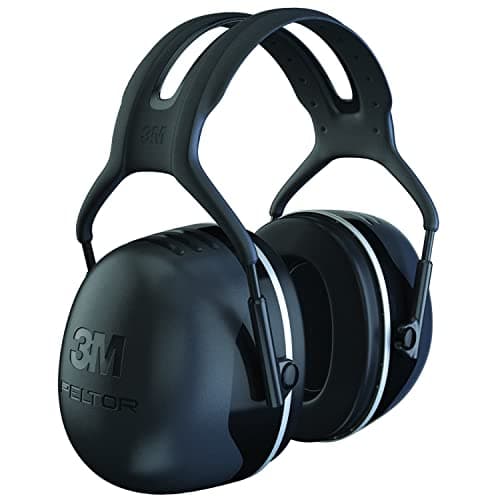
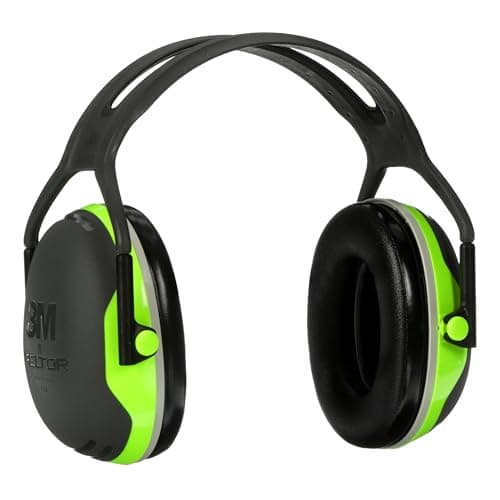
3M 3M Peltor X5A Over-the-Head Earmuffs (NRR 31)
3M Peltor X5A Over-the-Head Earmuffs (NRR 31)

The highest-rated muff in 3M's X series. If your shop runs a planer, a router table or a shop vac, this is the one to reach for.

Best protection
8.4
$44.99Amazon
02
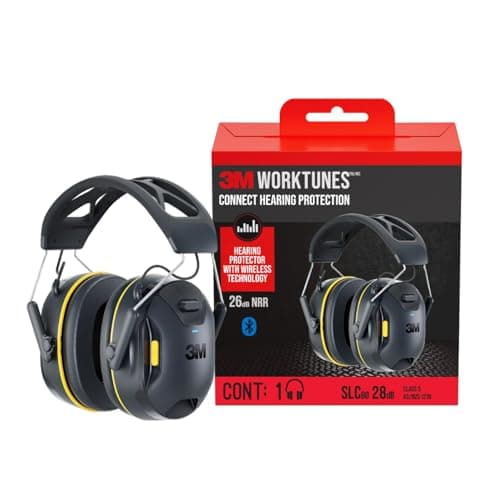
3M 3M WorkTunes Connect Bluetooth Hearing Protector
3M WorkTunes Connect Bluetooth Hearing Protector

Protection you will actually wear, because it plays music. The one honest advantage of a Bluetooth muff is that it never comes off between cuts.

Best for long sessions
8.2
$62.46Amazon
03
3M 3M Peltor X4A Over-the-Head Earmuffs
3M Peltor X4A Over-the-Head Earmuffs

The slim one. A low-profile cup that still protects properly and does not fight a face shield or the wall of a tight shop.

Best low-profile muff
8.8
$39.78Amazon
04
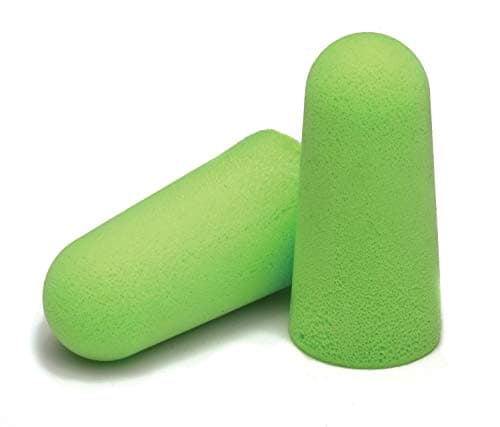
Moldex Moldex 6800 Pura-Fit Foam Earplugs, NRR 33 (50 pairs)
Moldex 6800 Pura-Fit Foam Earplugs, NRR 33 (50 pairs)

The highest rating on this page, for the least money. Foam plugs beat every muff on paper — the catch is that they only work when rolled and inserted properly.

Best budget
9.0
$14.95Amazon
05
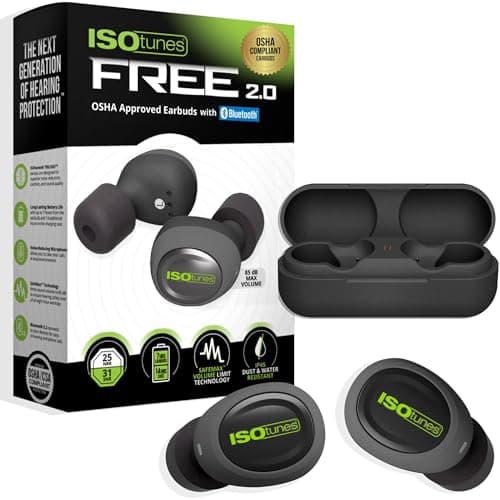
ISOtunes ISOtunes FREE 2.0 Bluetooth Hearing Protection Earbuds
ISOtunes FREE 2.0 Bluetooth Hearing Protection Earbuds

Earbuds instead of muffs. Nothing on your head, nothing fighting your safety glasses, and nothing to take off when you step away from the machine.

Best low-profile
8.2
$116.99Amazon

#ad · Live prices from the Amazon Product API, as of Sep 1, 2026. Where we have no verified live price, we show none — we would rather leave a gap than print a number that has rotted.

In detail

The picks, in full

01
3M 3M Peltor X5A Over-the-Head Earmuffs (NRR 31)

Best protection

3M Peltor X5A Over-the-Head Earmuffs (NRR 31)

NRR 31 dBOver-the-headTwin headband wiresReplaceable cushions
8.4/10

The highest-rated muff in 3M's X series. If your shop runs a planer, a router table or a shop vac, this is the one to reach for.

Noise reduction
10
Comfort
7
Build
9
Fit with glasses
7
Value
9

Pros

  • The highest noise reduction rating of any muff here, and a planer genuinely needs it
  • Twin headband wires spread pressure so it is bearable for longer than the rating suggests
  • Cushions are replaceable, so the muff outlives its first set of foam

Cons

  • Bulky — the deepest cups in the range, and they get hot in summer
  • Heavy clamping force is the price of the rating

Don't buy this if…

you wear hearing protection for short bursts in a small shop. A slimmer muff is more comfortable and enough.

$44.99View on Amazon

Price as of Sep 1, 2026. Prices change — Amazon's is the one that counts.

#ad · we may earn a commission from this link to 3M Peltor X5A Over-the-Head Earmuffs (NRR 31)

02
3M 3M WorkTunes Connect Bluetooth Hearing Protector

Best for long sessions

3M WorkTunes Connect Bluetooth Hearing Protector

Bluetooth audioOver-the-head muffRechargeableIntegrated mic
8.2/10

Protection you will actually wear, because it plays music. The one honest advantage of a Bluetooth muff is that it never comes off between cuts.

Noise reduction
7
Comfort
9
Build
8
Features
10
Value
7

Pros

  • Compliance is the real problem with hearing protection, and this solves it
  • Answering a call without taking the muffs off keeps them on your head
  • Rechargeable rather than eating AA batteries

Cons

  • Lower noise reduction than a dedicated high-NRR muff
  • Music can mask the sound cues that tell you a cut is going wrong

Don't buy this if…

you rely on the sound of the cut to judge feed rate. Silence is information on a table saw.

$62.46View on Amazon

Price as of Sep 1, 2026. Prices change — Amazon's is the one that counts.

#ad · we may earn a commission from this link to 3M WorkTunes Connect Bluetooth Hearing Protector

03
3M 3M Peltor X4A Over-the-Head Earmuffs

Best low-profile muff

3M Peltor X4A Over-the-Head Earmuffs

Low-profile cupsOver-the-headElectrically insulated bandReplaceable cushions
8.8/10

The slim one. A low-profile cup that still protects properly and does not fight a face shield or the wall of a tight shop.

Noise reduction
8
Comfort
9
Build
9
Fit with glasses
9
Value
9

Pros

  • Slim cups clear a face shield and a machine fence far better than the deep muffs
  • Comfortable enough that you keep them on between cuts, which is when hearing damage happens
  • Same replaceable-cushion system as the rest of the range

Cons

  • Lower noise reduction than the X5A — a compromise for the slim profile
  • Foam still gets warm in a hot shop

Don't buy this if…

your loudest tool is a thickness planer. Take the higher rating and accept the bulk.

$39.78View on Amazon

Price as of Sep 1, 2026. Prices change — Amazon's is the one that counts.

#ad · we may earn a commission from this link to 3M Peltor X4A Over-the-Head Earmuffs

04
Moldex Moldex 6800 Pura-Fit Foam Earplugs, NRR 33 (50 pairs)

Best budget

Moldex 6800 Pura-Fit Foam Earplugs, NRR 33 (50 pairs)

NRR 33 dBFoam, uncorded50 pairsTapered fit
9.0/10

The highest rating on this page, for the least money. Foam plugs beat every muff on paper — the catch is that they only work when rolled and inserted properly.

Noise reduction
10
Comfort
8
Build
7
Fit with glasses
10
Value
10

Pros

  • Highest noise reduction rating here and by far the cheapest per use
  • Nothing on your head, so no conflict with glasses, a mask or a hat
  • Cheap enough to keep a box at every machine, which is what gets them used

Cons

  • The rating assumes correct insertion — roll, insert and hold, or you get a fraction of it
  • Disposable, so there is a small ongoing cost and some waste

Don't buy this if…

you take protection on and off constantly. Muffs are far quicker for short, repeated use.

$14.95View on Amazon

Price as of Sep 1, 2026. Prices change — Amazon's is the one that counts.

#ad · we may earn a commission from this link to Moldex 6800 Pura-Fit Foam Earplugs, NRR 33 (50 pairs)

05
ISOtunes ISOtunes FREE 2.0 Bluetooth Hearing Protection Earbuds

Best low-profile

ISOtunes FREE 2.0 Bluetooth Hearing Protection Earbuds

Bluetooth earbudsNoise-isolating tipsRechargeableVolume limited
8.2/10

Earbuds instead of muffs. Nothing on your head, nothing fighting your safety glasses, and nothing to take off when you step away from the machine.

Noise reduction
8
Comfort
9
Build
8
Fit with glasses
10
Value
6

Pros

  • No headband means no conflict with glasses, a face shield or a dust mask strap
  • Volume limiting means the audio itself cannot become the hazard
  • Small enough to stay in a pocket, so they are always to hand

Cons

  • Foam tips must be inserted properly to reach their rating — a loose fit protects far less
  • The most expensive option here, and a battery to keep charged

Don't buy this if…

you dislike in-ear tips. An ill-fitting earbud protects far worse than a decent muff.

$116.99View on Amazon

$129.9910% off

Price as of Sep 1, 2026. Prices change — Amazon's is the one that counts.

#ad · we may earn a commission from this link to ISOtunes FREE 2.0 Bluetooth Hearing Protection Earbuds

How to choose hearing protection

Read NRR with a pinch of salt

The rating is a laboratory figure obtained with an ideal fit. Treat it as a comparative number between products rather than a promise about your shop. In practice, a well-fitted muff with a moderate rating protects better than a high-rated plug inserted carelessly, which is the single most useful thing to understand about this category.

Comfort is a safety feature

Clamping force, cup depth and headband padding decide whether you keep protection on between cuts — and between cuts is exactly when people take muffs off and then start the saw. If a muff is uncomfortable after twenty minutes, you own the wrong one, regardless of its rating.

Compatibility with everything else on your head

In a wood shop you are often wearing safety glasses and a dust mask as well. The arm of a pair of glasses passing under a muff cushion breaks the seal and costs you real protection. Slim cups help; plugs and earbuds sidestep the problem entirely. If you wear a face shield for turning or routing, check clearance before you buy deep muffs.

Electronic, Bluetooth and the honest caveat

Bluetooth muffs and earbuds genuinely improve compliance — people wear them because they want to, which is worth more than a couple of decibels on paper. The caveat is that music masks the sound of the cut, and the sound of a cut is real information: a blade bogging, a bearing going, a workpiece starting to lift. Keep the volume low enough to hear the machine.

Fitting plugs properly, since almost nobody does

Roll the foam plug into a thin cylinder between your fingers. Reach over your head with the opposite hand and pull the top of your ear up and back to straighten the canal. Insert the plug well in and hold it for twenty seconds while the foam expands. If your own voice does not sound noticeably muffled and boomy, it is not in far enough. That is the whole technique, and it is the difference between the rating on the box and a fraction of it.

Segmenting by shop and habit

Short bursts at machines: muffs. On and off in a second is the deciding factor, and slim cups if you also wear glasses.

Long, continuous sessions: plugs or earbuds, because a muff's clamping force becomes uncomfortable over hours and hot in summer.

Loudest possible environment: the highest-rated muff you find comfortable, or properly fitted plugs. A planer in a small hard-walled garage is genuinely loud.

If you keep forgetting: buy the Bluetooth version and keep a box of foam plugs at every machine. Compliance beats specification, every time.

How we ranked these

From published manufacturer specifications — stated NRR, format, cushion and headband design, battery and connectivity features — and the pattern in owner feedback read at volume. We have not measured attenuation; that requires an acoustic laboratory, which we do not have, as our methodology page makes clear. Nothing here is medical advice. Prices come from the live price feed.
How we picked

We do not run a testing lab

We researched published manufacturer specifications, manuals and spec sheets, ran the arithmetic those specs support, and read owner reviews at volume, then scored each tool against a published rubric. The scores are judgments from documented research — they are not measurements we took, because we do not have a lab and we are not going to pretend we do. Where a number came from a manufacturer's document, we name it and link it in Sources.

Questions

Frequently asked

What NRR do I need for woodworking?
Higher is better, but fit matters more than the number. A comfortable, properly seated muff in the high twenties protects better in practice than a 33-rated foam plug inserted carelessly. Choose the highest rating you will actually wear for the whole session.
Are earmuffs or earplugs better for a wood shop?
Muffs are quicker on and off, which suits short bursts at machines. Plugs achieve higher ratings for less money and do not conflict with glasses or a dust mask, but only when rolled and inserted properly. Many shops keep both and use whichever suits the session.
Which woodworking tools are loud enough to need hearing protection?
Routers, thickness planers, miter saws, biscuit joiners and shop vacs are the loudest tools in most shops. As a rule of thumb, if you have to raise your voice to be heard over a tool, it is loud enough to be damaging over time.
Is listening to music through hearing protection safe?
The protection itself still works, and Bluetooth muffs improve how often people actually wear protection. The caveat is that music masks the sound of the cut, which is genuine feedback about how a machine is running. Keep the volume low enough to hear the tool.

Keep reading

Receipts

Sources

We do not run a testing lab, and we do not pretend to. Our picks come from published manufacturer specifications and manuals, the arithmetic those specs support, and owner reviews read at volume. Where we could not verify something, we say so on the page rather than quietly leaving it out. Read our full method.