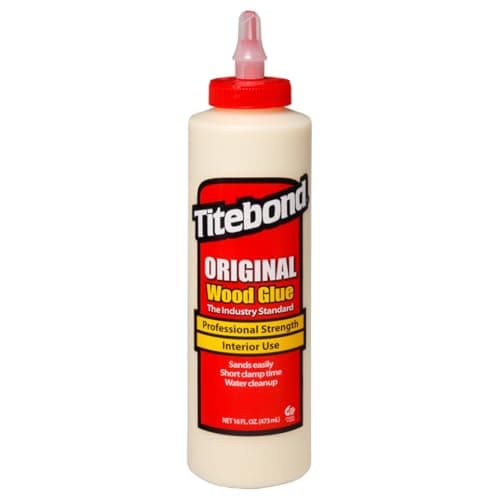
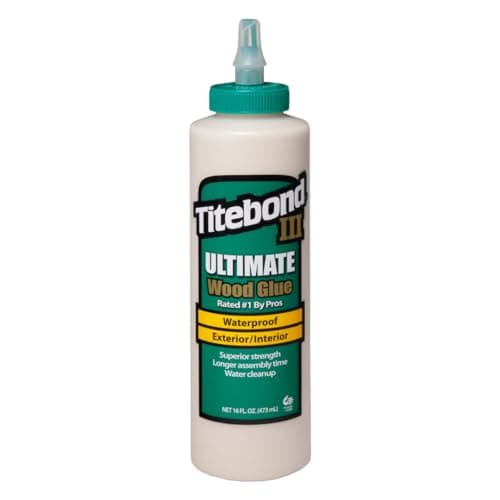
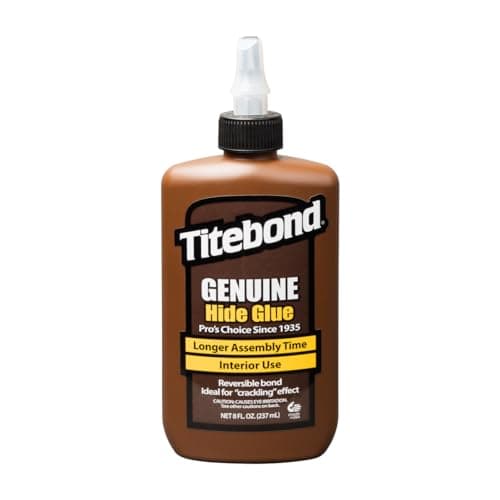
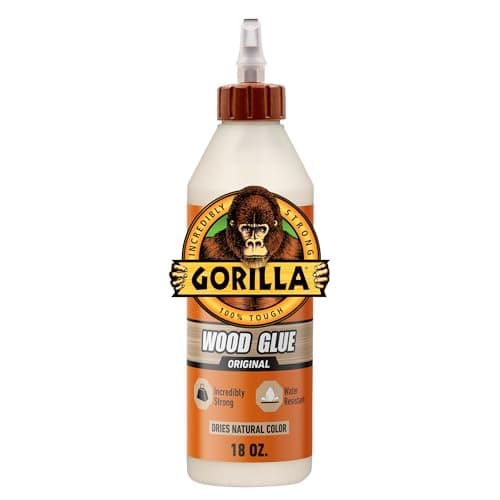
A properly glued edge joint in wood is stronger than the wood beside it. Every glue in this roundup is strong enough — which means "which is strongest" is the wrong question, and open time, water resistance and glue-line color are the right ones.
Start with open time, because it is the property that decides whether a glue-up is calm or frantic. Open time is how long you have between spreading glue and needing the clamps closed. On a simple edge joint five minutes is plenty. On a twelve-part carcass with dowels, it is not — and a glue that gives you eight or ten minutes instead of four is worth more than any strength difference on the label. That is the real reason to keep a bottle of Titebond III even for indoor work.
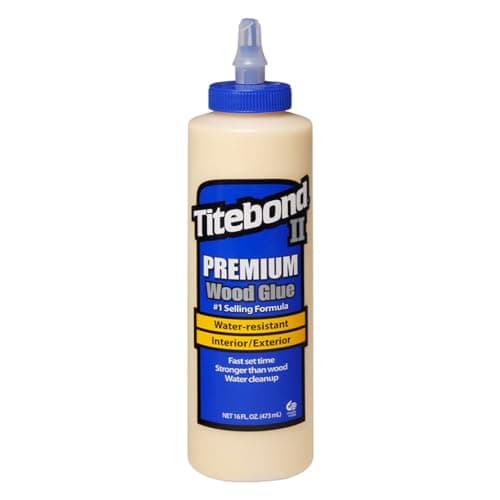
Then water resistance, which is graded by an industry standard rather than marketing. ANSI/HPVA Type II means water-resistant — suitable for anything under a roof or occasionally damp. Type I means waterproof — suitable for outdoor furniture and things that get washed. Titebond Original is neither; Titebond II is Type II; Titebond III is Type I. That is the whole ladder, and it is why we rank Titebond II first: it covers almost everything for almost the price of the interior-only glue.
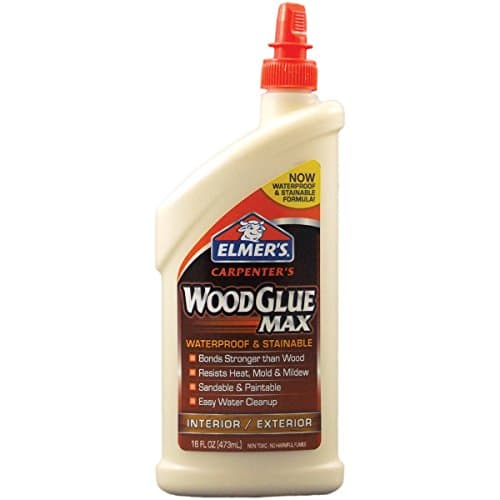
Then the glue line. Titebond III dries noticeably darker than Original or II, which is invisible in walnut and obvious in maple. Hide glue is amber. Elmer's Max takes stain better than the others. None of this affects strength; all of it affects whether a missed smear of squeeze-out shows up under finish.
One thing no glue fixes: a bad joint. Wood glue is strong in a thin, even film between two well-fitted surfaces and weak as a gap filler. If your joint needs filling, the answer is to re-cut the joint, not to buy a thicker glue. Get the fit right — a hand plane or a jointeris the tool for that — and any glue here will hold.
Which glue for which job
- Indoor furniture, cabinets, boxes: Titebond Original or II. Either is fine; II costs pennies more and covers you if the piece ever moves outdoors.
- Outdoor furniture, planters, anything washed: Titebond III, for the Type I waterproof rating.
- Large, complicated glue-ups:Titebond III again, for the longer open time — not for the waterproofing.
- Repairs, antiques, instrument work: liquid hide glue, because it is reversible with heat and moisture and the next repair is possible.
- Shop jigs, shelving, painted work: whichever bottle is cheapest and nearest. Gorilla Wood Glue is the value pick here.
- Anything that will be stained:Elmer's Max, which accepts stain better than plain PVA.
Clamping: pressure and time
How much pressure
Enough to close the joint and squeeze out a thin, even bead along its length — and no more. Excessive pressure on a well-fitted joint can starve the line by pushing out too much glue. If you need to lean on the clamps to close the joint, the joint does not fit; stop and re-cut it.
How long in the clamps
Manufacturers typically specify a clamp time measured in tens of minutes and a full cure measured in a day. The practical rule is: leave it clamped as long as you can, and do not stress the joint for 24 hours regardless of what the bottle says about handling time. A joint that feels solid after an hour is nowhere near full strength.
Temperature matters more than people expect
PVA glues have a minimum application temperature — typically around 45–55 °F depending on the product. Below it, the glue does not form a proper film and the joint is compromised in a way you cannot see. An unheated garage in winter is a real risk, and the fix is to bring the work and the glue indoors for the glue-up.
Squeeze-out: deal with it at the right moment
Wiping wet glue with a damp rag pushes it into the grain, where it seals the surface and shows up as a pale patch under stain. The better method is to wait until the squeeze-out turns rubbery — typically fifteen to thirty minutes — and lift it off cleanly with a chisel or a card scraper. On surfaces that will be painted, none of this matters. On anything stained, it matters a great deal.
Shelf life and storage
PVA glue has a real shelf life, typically a year or two, and it fails by thickening and by losing strength after freezing. Write the purchase date on the bottle. If the glue is stringy, lumpy or has separated and will not remix, replace it — a bottle of glue costs less than a single board. Hide glue has a shorter life still, so buy the small bottle unless you use it often.
What we could not verify
We have not conducted joint-strength testing. Bottle sizes, water-resistance ratings and the ANSI/HPVA type classifications above are the manufacturers' published claims and standard industry designations. Open-time and glue-line-color comparisons follow from those published figures and from owner reviews read at volume.
Titebond II or Titebond III, specifically
The two bottles most shops actually choose between look identical on the shelf and are not interchangeable. II is rated water-resistant and III waterproof — but the difference that changes your work is open time, because III gives you measurably longer to close a big glue-up, and it leaves a darker line on pale hardwood as the price. Titebond II vs Titebond III compares them properly, Original and liquid hide glue included.