The system you will actually use beats the system that grades sharper on paper. That is the whole argument in one line. A waterstone can take an edge to a higher polish than a diamond plate, and a diamond plate will still be dead flat in ten years when your waterstone has been flattened forty times. Which matters more depends entirely on how you work and where your shop is.
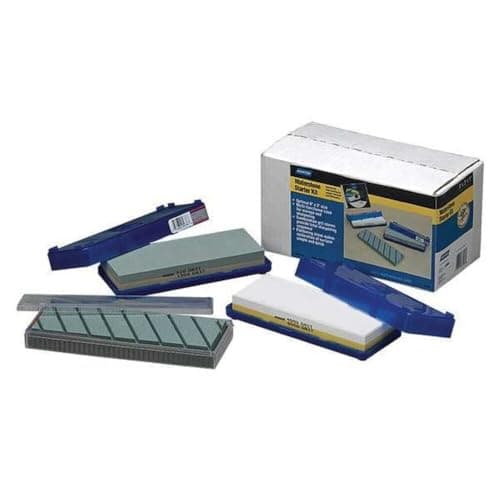
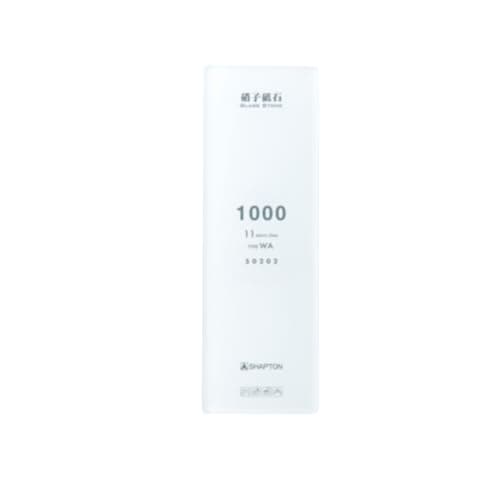
Both are abrasives held in a matrix. A waterstone is fine abrasive in a relatively soft binder: as you sharpen, worn particles break away and expose fresh ones, which is why waterstones cut quickly and keep cutting. The cost of that self-renewing behavior is that the stone wears — it dishes in the middle where you use it most, and a dished stone rounds the bevel it is supposed to be flattening. So waterstones need periodic flattening on a lapping plate or coarse diamond stone.
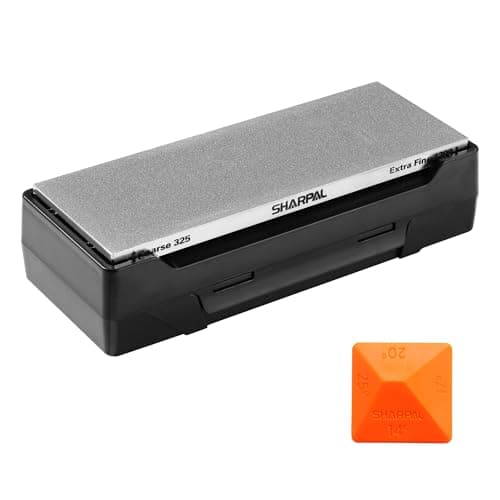
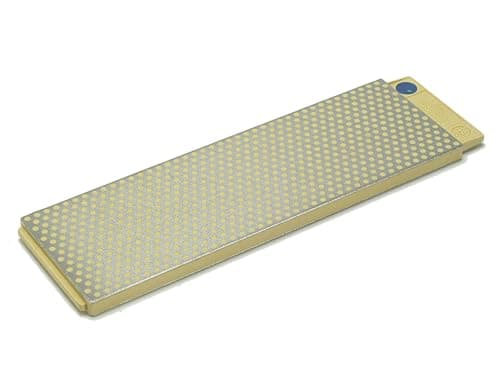
A diamond plate is industrial diamond bonded to a steel or plastic substrate. The abrasive is far harder than any tool steel and it is not going anywhere, so the plate stays flat essentially forever and cuts hardened steel without fuss. What it does not do is renew itself into ever-finer scratches, and diamond plates are generally not made in the very fine grits that a waterstone progression reaches, so the final polish is usually a little less keen — often finished on a strop instead.
The honest comparison
Speed
Both cut quickly. A coarse diamond plate is the fastest way to fix a chipped or badly ground edge, because the diamond does not care how hard the steel is. Waterstones cut fast in the middle grits and feel smoother doing it. In practice, neither is slow enough for speed to decide your purchase.
Fineness of edge
Waterstones win at the top end. A 6000-grit or 8000-grit waterstone produces a polish that most diamond plates cannot match, and if you enjoy paring end grain with a mirror-finished chisel, that is a genuine pleasure. Diamond users typically finish on a leather strop with compound, which closes most of the gap for a couple of pounds. If your work is joinery rather than fine paring, the difference is smaller than the internet suggests.
Maintenance
This is where diamond plates win decisively. A waterstone must be kept flat, which means lapping it regularly — a chore, and one that eventually consumes the stone. Some waterstones need soaking before use; splash-and-go stones do not, but still need water on the surface. Diamond plates need a squirt of water or a drop of glass cleaner and a wipe afterwards. If a maintenance chore stands between you and sharpening, you will sharpen less.
Mess and temperature
Waterstones produce a slurry that goes everywhere, and they must not freeze — a soaked stone left in an unheated garage over a hard winter can crack. Diamond plates use very little water, wipe clean, and do not care about the cold. In a detached, unheated garage shop, that alone is a strong argument for diamond.
Cost over time
A diamond plate costs more up front and lasts a very long time, though its cutting rate does settle down after the first few uses as the highest-standing particles wear in — that break-in is normal, not a defect. Waterstones cost less individually but are consumed by use and flattening, and a full progression means buying several. Neither is dramatically cheaper over a decade; buy the one that fits how you work.
The third option nobody mentions
Sandpaper on float glass or granite — often called scary sharp — is genuinely effective and costs almost nothing to try. Adhesive-backed abrasive on a dead-flat substrate gives you a perfectly flat sharpening surface at any grit you can buy paper in. It is consumable, which becomes tedious at volume, but as a way to find out whether you enjoy sharpening before spending on stones, it is hard to beat.
Which should you buy?
Buy a diamond plate if your shop is unheated, you sharpen occasionally rather than daily, you hate maintenance chores, or you want one thing that will also flatten your waterstones later. A double-sided coarse/fine plate is a complete, permanent sharpening solution for most joinery work.
Buy waterstones if you want the finest edge, you enjoy the process, your shop is indoors and heated, and you do not mind flattening. A 1000/6000 combination stone is the classic first purchase and takes a chisel from dull to genuinely sharp on its own.
Buy both, eventually— which is what most people end up doing, using a coarse diamond plate for repairs and for flattening the waterstones, and waterstones for the finishing grits. That is not a cop-out; it is the setup in a lot of working shops, and each tool is doing the job it is best at.
Whichever you choose, add a honing guide while you are learning. Holding a consistent angle is the hard part of sharpening, and a guide removes that variable so you can judge whether your abrasive is working.
What we could not verify
We have not measured edge retention, cutting rate or surface finish under magnification — we do not run a lab, and we say so on our methodology page. The comparison above describes the documented behavior of the two abrasive types and the manufacturers' own published grit and usage guidance. Grits quoted by makers are not directly comparable between systems, which is another reason we avoid a spec-sheet shoot-out.