Roundup
The Best Woodworking Aprons
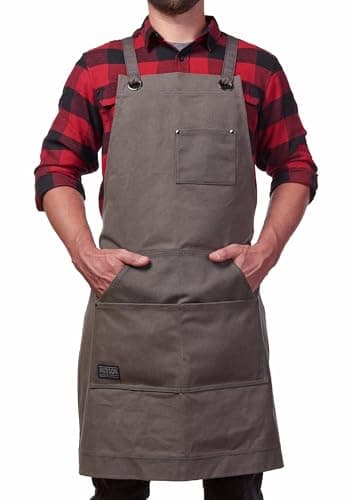
Waxed canvas for durability, cotton duck for breathable pockets, leather for heat — ranked by material, straps and coverage. Cross-back straps are the comfort upgrade that matters most.
HUB 05
Essential-tool checklists, beginner lists, workbenches and storage — segmented by shop size and budget so you buy in the right order.
Most "essential tools" lists are really a wish list with no sense of order. They tell you to own a table saw, a jointer, a planer, a bandsaw and a dust collector, which is true eventually and useless on day one. This hub is built around sequence and budget: what to buy first, what to buy next, and what you can genuinely put off until a project forces the issue.
The organizing idea is that a shop is defined by its size and its budget, not by a fixed tool list. A first shop in a shared garage with a few hundred dollars should buy completely differently from a hobbyist committing to a dedicated room, and both should buy differently from someone building fine furniture. Our checklists say so explicitly — every tool is tagged with who it is for and roughly what it costs, so you can read down to your situation and stop there.
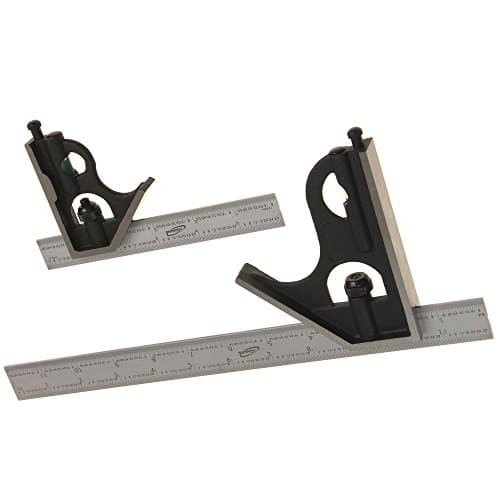
We also try to correct the two most expensive early mistakes. The first is buying machines before the things that make them usable — a square, a decent tape, a marking gauge, a way to sharpen — which is like buying a car before you can drive. The second is buying for the shop you imagine instead of the projects you actually have; the fastest way to a working shop is to buy the tool the next project needs and no more.
Start with the essential-tools checklist for the full sequence, or the beginner tool list if you want the shortest honest path from nothing to a shop that can build something. Both link out to the roundups where the individual picks live. And for the one thing you actually wear every session, our best woodworking aprons roundup ranks the waxed-canvas, cotton-duck and leather options by comfort, coverage and pockets.
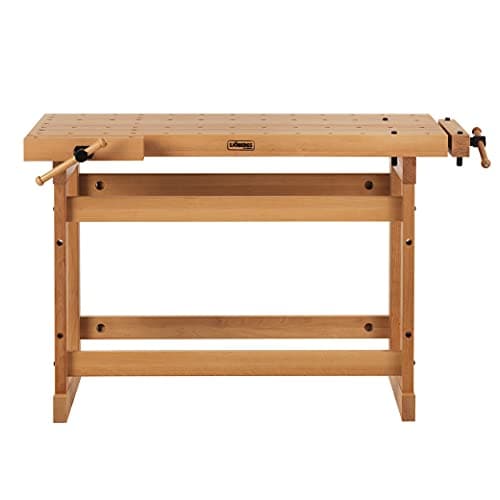
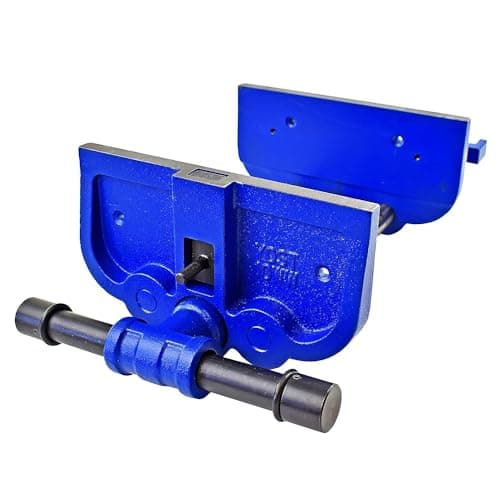
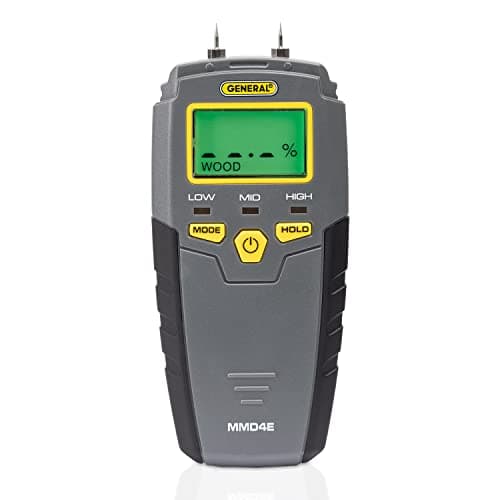
The shop itself has its own pages now: workbenches and the vise that turns a table into a bench, garage workshop layout for planning around clearance rather than footprint, and wood moisture meters — the cheap tool that explains why a well-made table top splits in January.
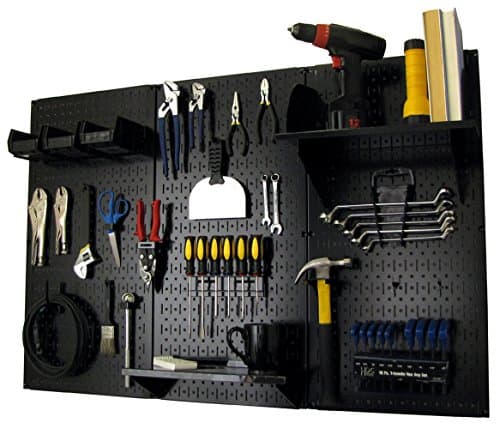
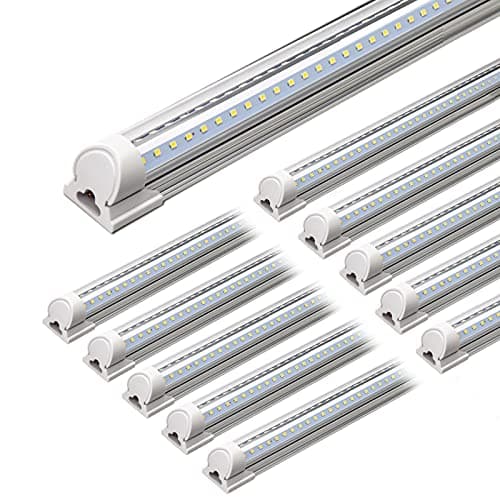
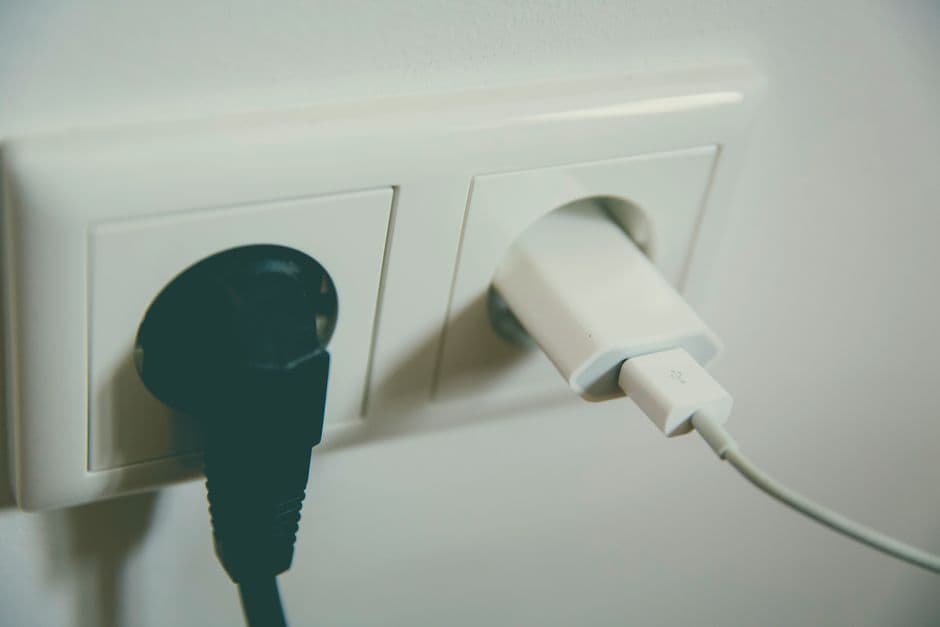
Newest additions: the best shop lighting (the cheapest upgrade that improves every other tool you own), the best tool storage for a garage that has to share its space, the best hearing protection— ranked on whether you will actually keep it on — and a plain guide to what electrical supply a shop needs before you buy a bigger machine.
Just added: carpentry tools vs woodworking tools — which trade buys which tools and why, the six that genuinely serve both, and what to add first if you are moving from site work into furniture.
We earn a commission when you buy through our Amazon links, at no extra cost to you. It never changes our rankings, and we say so when the cheaper tool is the better buy. How this works.
Start here

Waxed canvas for durability, cotton duck for breathable pockets, leather for heat — ranked by material, straps and coverage. Cross-back straps are the comfort upgrade that matters most.
Everything in this hub

Roundup
Waxed canvas for durability, cotton duck for breathable pockets, leather for heat — ranked by material, straps and coverage. Cross-back straps are the comfort upgrade that matters most.

Roundup
Four benches ranked on rigidity, workholding and footprint — from a folding sheet-goods support to a solid beech joiner's bench, with the build-versus-buy question answered.

Roundup
Five front vises ranked on jaw capacity, rigidity and quick-release action, plus the mounting and jaw-liner details that decide whether it works.

Roundup
Five moisture meters ranked, pin and pinless, with the equilibrium moisture content numbers that decide when lumber is actually ready to work.

Roundup
Wall storage for the tools you use hourly, drawers for the rest, boxes for what travels. Five systems ranked for a garage shop that has to share its space.

Roundup
Most home shops run at a fraction of the light they should. How to work out how many lumens you need, what color to buy, and five fixtures ranked.

Roundup
NRR explained plainly, the muff-versus-plug question settled, and five options ranked - because the best protection is the one you actually wear.

Roundup
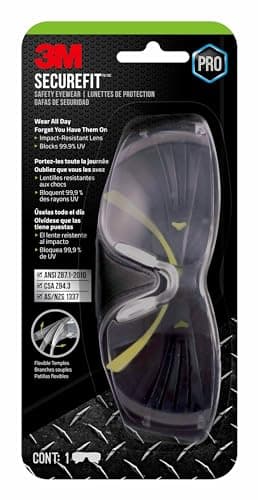
Safety glasses and goggles ranked on comfort, anti-fog and coverage, including over-prescription options. What Z87.1 means, and live prices on every pick.

Buyer's guide
A tiered checklist by shop size and budget, plus the accuracy and finish staples most lists forget — square, marking gauge, block plane and a sander.
Buyer's guide
What to buy first, in order, from nothing to a working shop — buy the tool the next project needs, and buy accuracy before machines.

Buyer's guide
Mobility, a real workbench, dust at the source and enough power — the four things that make a tight garage shop usable, plus the buying order to get there.

Buyer's guide
Plan a garage shop around clearance, not footprint — machine placement, mobile bases, power and the layout mistakes that waste half the floor.

Buyer's guide
How to read a tool's amp rating against your circuit, when 240V is genuinely worth wiring, why a thin extension cord trips breakers, and where to stop and call an electrician.

Buyer's guide
Stickering, acclimation, keeping boards off concrete and rack spacing — plus why a moisture meter beats every rule of thumb about how long to wait.

Buyer's guide
Portable and fast versus stationary and precise. Which tools belong to each trade, which genuinely serve both, and what to buy if you honestly do a bit of each.