
Buyer's guide
Dust Collector CFM Chart
Published CFM figures by machine, plus what a 2-1/2, 4, 5 or 6-inch duct can actually carry at the industry transport velocities. Every number sourced or shown as arithmetic.
Buying guides
The hard part of buying a tool is almost never picking between two models. It is working out which category you actually need, and what specification decides it. That is what these pages are for.
We earn a commission when you buy through our Amazon links, at no extra cost to you. It never changes our rankings, and we say so when the cheaper tool is the better buy. How this works.
Most tool advice on the web starts in the wrong place. It hands you a ranked list of six products before establishing whether you need that kind of product at all — and the expensive mistakes in a home shop are almost never “I bought the second-best planer.” They are “I bought a 2.5-inch hose for a 4-inch port,” “I bought a single-speed router and then bought panel-raising bits,” and “I bought a dust collector when what I needed was a separator and a shorter duct run.” Those are category errors and specification errors, and no product ranking protects you from either.
So this page collects the guides that answer the decision. Some of them are comparisons — plunge against fixed base, table saw against miter saw, jointer against planer. Some of them are reference tables you will come back to with a specific number in mind. Some are about sequence: what to buy first when the budget will not stretch to everything at once. None of them is a product ranking, though every one of them links to the relevant ranking once the decision is made.
If you already know what you are buying and just want a recommendation, skip all of this and go to the best woodworking tools, which is the ranked pick from every category we cover, or to the hub for whatever you are shopping for. If you are not sure yet, start with the section below that matches your problem.
The reference tablesare the pages we would most like other sites to link to, because they are the ones that took real work to compile: published CFM figures by machine, what each duct diameter can physically carry at the velocity chips need, and manufacturer-published maximum RPM by router bit diameter. Every figure on them names its source, and where we did arithmetic ourselves we show the formula so you can check it. Where we could not find a citable figure — there is no published CFM specification we were willing to quote for a wood lathe or a router table — we say so and leave the row out rather than filling it in.
The dust collectionsection is the one most likely to save you money, because dust collection is the part of a shop where people most reliably buy the wrong thing. The single most common mistake is treating it as a horsepower problem when it is nearly always a diameter problem: airflow scales with the cross-sectional area of the pipe, so a duct two sizes too small caps the whole system no matter what is bolted to the end of it. The second most common is buying in the wrong order — a collector before a separator, an air filter before a respirator.
The router section exists because one word covers three genuinely different tools. A trim router, a mid-size combo kit and a 3 HP table motor are not points on a scale; they do different jobs, and buying the wrong one is the most common expensive mistake in the power-tool half of a first shop. On top of that sit two specification decisions that outlive the router itself: which collet size you commit to, and whether the machine has the variable speed that large cutters legally require.
The starting outsection is about sequence and honesty. The most useful question a new woodworker can answer is which kind of work they are actually doing, because carpentry and furniture making want different tools for a concrete reason — one works to a measurement, the other works to a fit. Get that right and the buying order mostly decides itself.
We do not run a testing lab, and we say so on our methodology page. Nothing on this site is presented as a measurement we took. What we do is read the manuals and the published specifications, name the source for every figure, do the arithmetic those figures support, show our working, and then say plainly which one we would buy and why. Every price you see is pulled live from Amazon and stamped with the date it was fetched, and when that data goes stale the number disappears rather than sitting there being wrong.
We also do not pretend a page is neutral when it carries affiliate links. Every buy link on this site is marked as sponsored and earns us a commission if you use it, at no cost to you. That is set out in full in our affiliate disclosure and our editorial policy, and it is why every roundup names a pick we think you should skip.
Look it up
Two pages that exist to be checked rather than read end to end. Every figure on them is either published by a named source or arithmetic we show you.
Buyer's guide
Published CFM figures by machine, plus what a 2-1/2, 4, 5 or 6-inch duct can actually carry at the industry transport velocities. Every number sourced or shown as arithmetic.
Buyer's guide
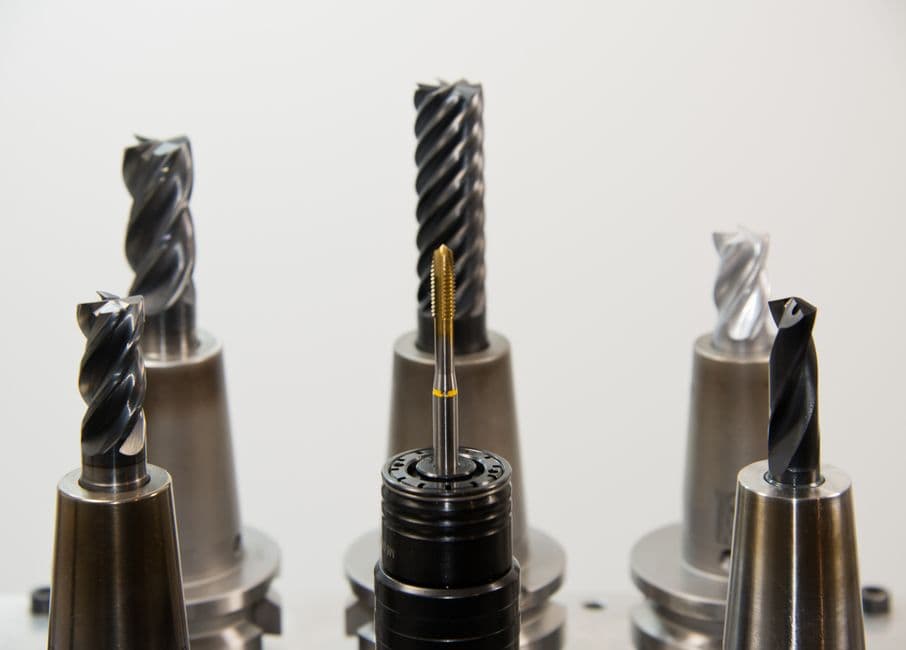
Published max RPM from a named manufacturer for seven bit diameters, the computed tip speed for each, and how to set your router when the bit has no marking.
Buyer's guide
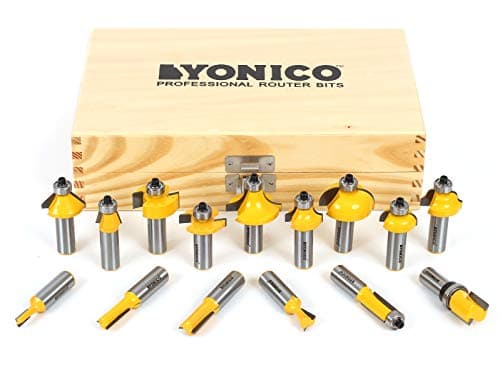
Doubling shank diameter multiplies stiffness far more than twofold, which is why big profiles chatter on 1/4-inch shanks. When the small shank is fine, and why adapters disappoint.
Dust collection
The machine you need depends on the port, the duct and the machine you are collecting from — in that order. Horsepower comes last.
Roundup
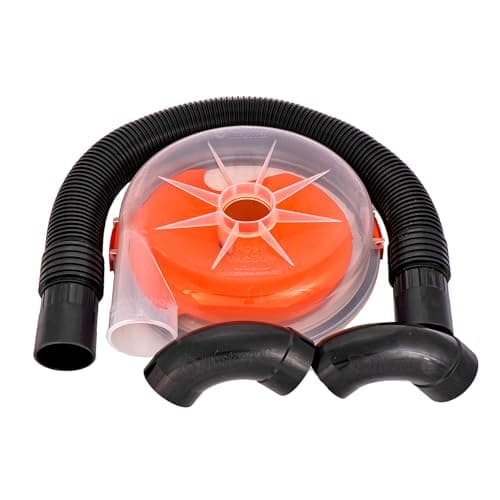
Four stages, cheapest first: a separator on the vac you already own, then a starter collector, then gates, then air filtration. Buy in this order and nothing gets replaced.

Buyer's guide
Free-air CFM overstates what reaches the tool. Here's the math on hose, fittings and port size, and the real 350–700 CFM target for a single small-shop machine.
Buyer's guide
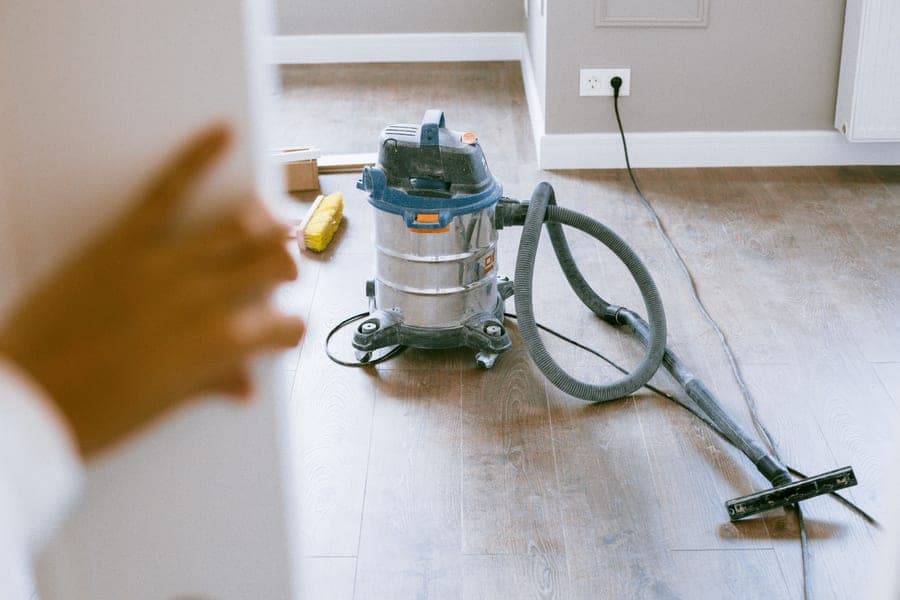
A shop vac gives high static pressure through a small port (sanders, track saw, router); a collector gives high CFM through a big port (planer, table saw). Most shops end up owning both.

Buyer's guide
Diameter, length and every elbow subtract from the airflow at your tool. A plain guide to hose vs rigid pipe, blast gates, grounding and a layout that keeps the CFM.
Buyer's guide
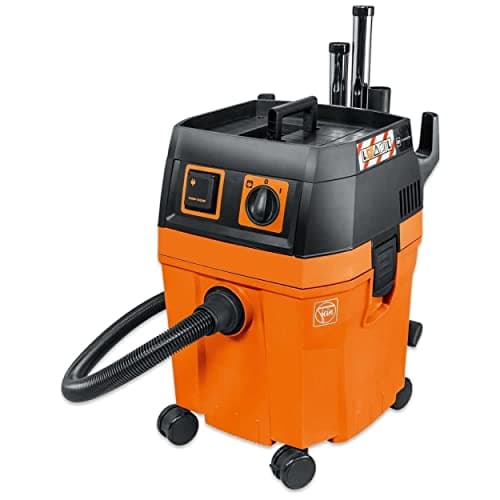
Two collection points, two different airflow problems. Which one to connect to a vac, which to a collector, and the honest options when the bit is buried in the fence.
Buyer's guide
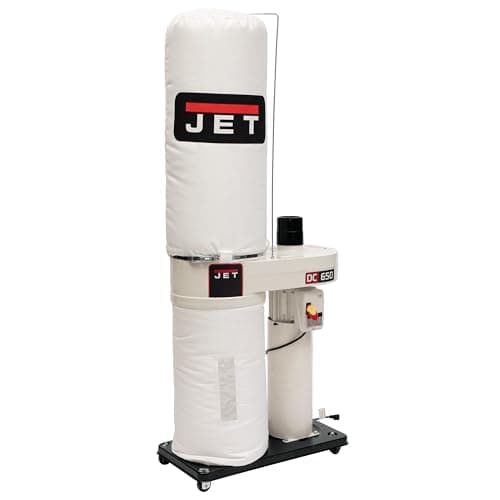
Turning throws shavings in an arc no fixed port can cover. The honest strategy: sweep the shavings, collect hard at the sanding stage, and filter the room.
Routers
One word covers three tools and two collet sizes. These decide which you need before you look at a single product page.

Buyer's guide
Trim, fixed-base and plunge compared head-on, decided by what you make rather than by horsepower. Plus the collet and table-mount details that decide it for you.
Head to head
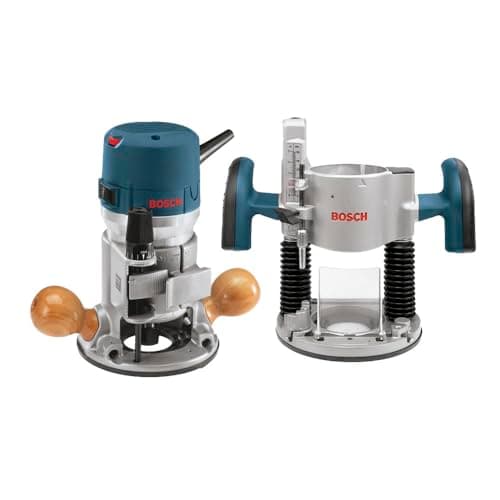
A plunge base starts cuts in the middle of a board; a fixed base is steadier for edges and lives in a router table. The honest answer for most shops is a combo kit.

Buyer's guide
Straight, spiral, flush-trim, edge-forming, rabbeting and joinery bits — what each family is for, why 1/2-inch shanks cut steadier, and the speed rule for large bits.
Roundup
The word 'router' covers three tools — a trim router, a mid-size combo, or a table router. We rank six and tell you which job each one is really for.
Roundup
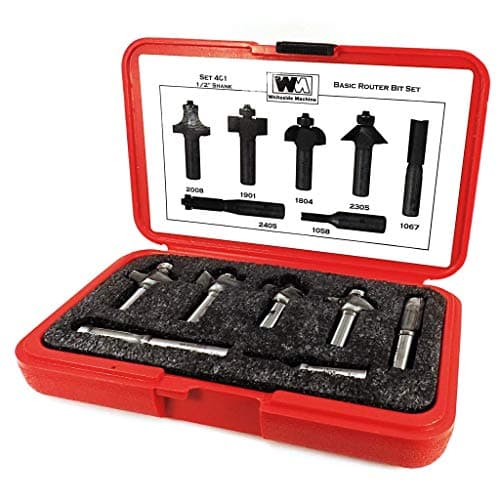
Buy a cheap set to find out which profiles you use, then buy those three properly. We rank the sets and the individual bits worth upgrading to.
Roundup
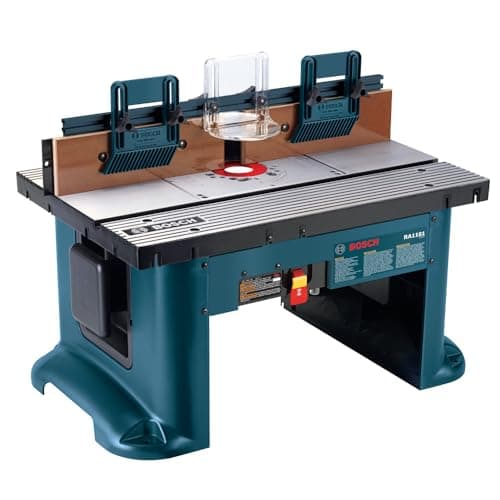
A router table turns a handheld router into a small shaper. Five ranked on flatness, fence precision and dust capture — plus what a lift does and does not buy you.
Starting out
The purchases that unlock new work, in the order that wastes the least money — plus the honest question of which kind of woodworking you are actually doing.

Buyer's guide
Portable and fast versus stationary and precise. Which tools belong to each trade, which genuinely serve both, and what to buy if you honestly do a bit of each.
Buyer's guide
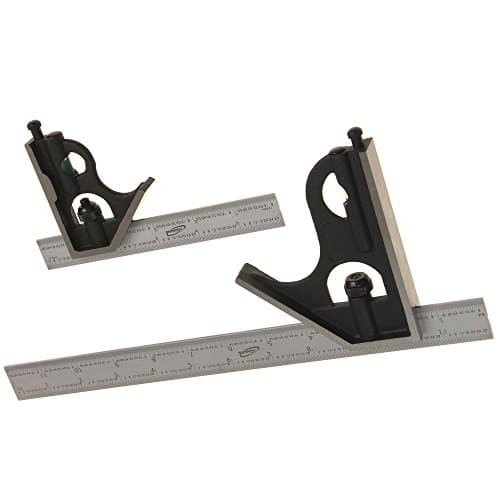
A tiered checklist by shop size and budget, plus the accuracy and finish staples most lists forget — square, marking gauge, block plane and a sander.
Buyer's guide
What to buy first, in order, from nothing to a working shop — buy the tool the next project needs, and buy accuracy before machines.
Head to head
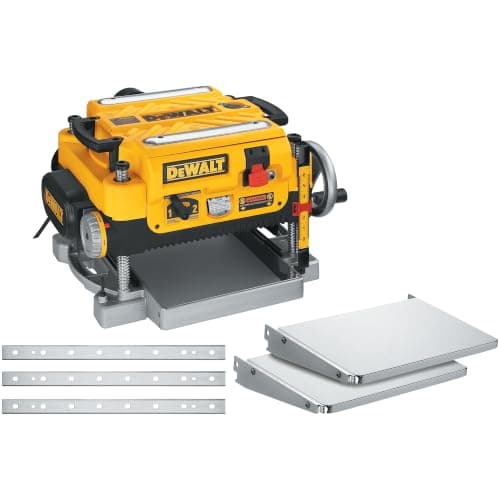
A jointer flattens and straightens; a planer thicknesses. They do opposite jobs — and for most home shops the planer is the smarter first buy. Here's why.
Head to head
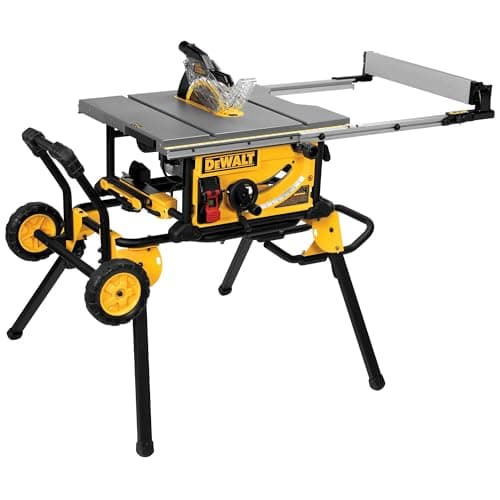
A table saw rips along the grain; a miter saw crosscuts across it. Which one comes first depends on your work — here is how to decide in a paragraph.

Buyer's guide
Mobility, a real workbench, dust at the source and enough power — the four things that make a tight garage shop usable, plus the buying order to get there.
Keep going
Head to the best woodworking tools for the ranked pick in every category, or browse all guides and how-tos for the project walkthroughs and explainers that are not tied to a purchase.
Buying for somebody else rather than yourself? The gifts for woodworkers guides run the same research with the compatibility traps spelled out, and Black Friday woodworking deals 2026 covers what is worth waiting for and what is not.