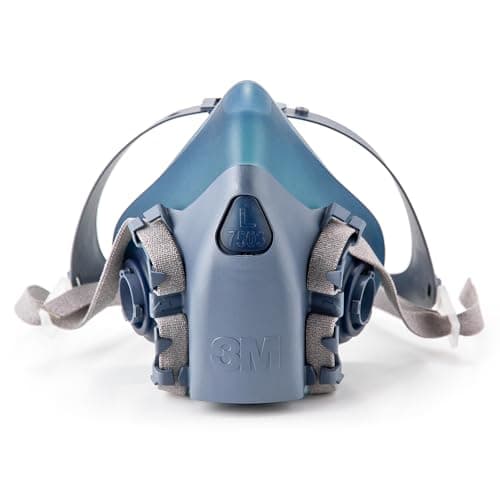
A respirator's rating describes the filter. Your protection depends on the seal. A P100 filter on a mask that leaks around your cheekbone protects you roughly as well as no mask at all, because air takes the easy path. That is why this roundup ranks seal and comfort above filter specification.
Wood dust is classified as a carcinogen by international health agencies, and the exposure that matters is cumulative — it is the thousand small sessions, not the one big one. That framing is what makes comfort a safety feature rather than a luxury: the mask you actually put on every time protects you far more than the better mask you leave hanging by the door.
The ratings, plainly. N95 filters at least 95% of airborne particles but is not oil-resistant. P100filters at least 99.97% and is oil-resistant — the highest particulate rating in common use, and the sensible default for a wood shop where you may also be spraying or wiping finishes. For sanding, routing and sawing, P100 is the one to buy; N95 is the reasonable disposable for a five-minute job.
There is one thing no particulate filter does, and it catches people out: it does not filter solvent vapors. Sanding dust is particles; lacquer, stain and finish fumes are vapor, and they pass straight through a P100. If you spray or brush solvent finishes, you need organic-vapor cartridges — which is a strong argument for buying a mask from a brand with a wide cartridge range, like the 3M and Honeywell masks here, rather than one locked to a single filter type.
And the honest hierarchy: a respirator is the last line, not the first. Capture at the tool stops the dust becoming airborne; air filtration clears what escapes; the mask protects you from the rest. It is also by far the cheapest of the three, which is why it should be the one you own first.
Fit is the whole thing
Sizing
Reusable half masks are sold in small, medium and large, and the difference is not cosmetic — a mask a size too big will not seal along the jaw. Medium fits most adults, but if the mask sits oddly, exchange it rather than tightening the straps, which distorts the facepiece and makes the leak worse.
The seal check, in ten seconds
Put the mask on, cover the exhalation valve with your palm and breathe out gently. The mask should balloon slightly and hold, with no air escaping around the edges. Then cover the filters and breathe in: the facepiece should collapse against your face and stay there. If either test fails, reposition and retry. Do this every time — it takes seconds and it is the only thing that tells you the mask is working.
Facial hair
This is the uncomfortable one. A beard along the seal line prevents a tight-fitting respirator from sealing, and no amount of strap tension fixes it. If you have a beard and want real protection, a powered air-purifying respirator with a hood or a loose-fitting face shield is the honest answer — not a half mask worn hopefully.
Reusable or disposable?
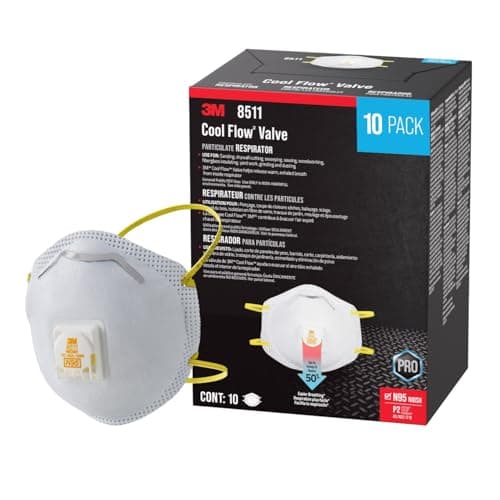
Reusable half masks cost more up front and far less over a year, seal better, and take cartridges for vapors as well as dust. Disposables are convenient, cheap per unit, and genuinely useful for short jobs where fetching the real mask means you would skip it entirely. Most shops end up with both, which is why the 3M 8511 10-pack is in this ranking alongside four reusable masks.
Filter maintenance
P100 filters do not have a fixed calendar life; they are done when breathing through them becomes noticeably harder, or if they get wet or contaminated. Store the mask in a sealed bag or box between uses — leaving it hanging on a nail in a dusty shop loads the filters with the very dust you bought them to stop.
Wearing glasses or a face shield
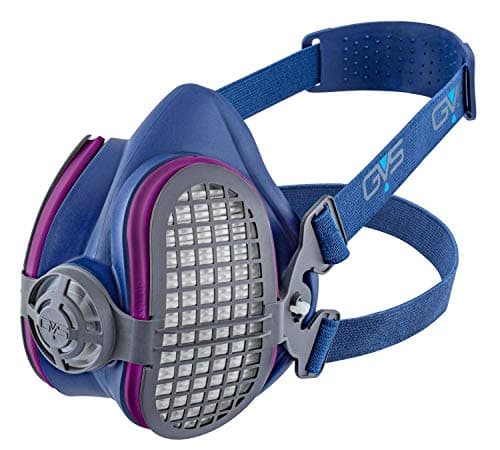
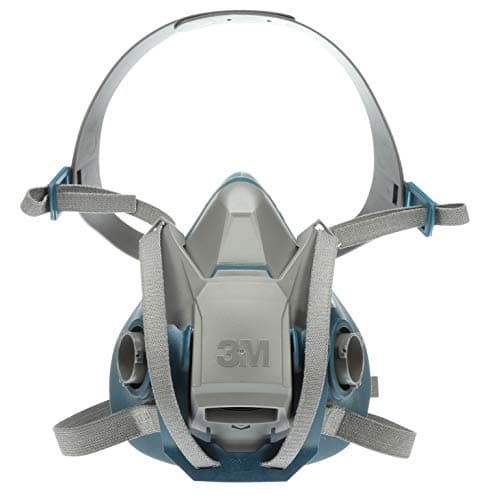
Bulky filter cartridges collide with safety glasses and fog them. Low-profile masks like the GVS Elipse solve this by keeping the filters flat against the face, which is a genuine practical advantage if you wear glasses all day. The 3M quick-latch masks solve a different version of the problem by letting you drop the mask without removing your glasses or ear defenders.
By how you work
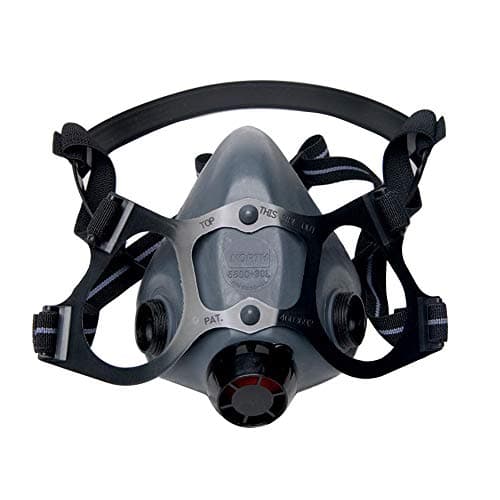
Occasional short jobs: the 3M 8511 N95 10-pack in a drawer near the saw. Regular shop use, cheapest way in: the Honeywell North 5500 facepiece, with a pair of P100 filters bought alongside it. Best all-round reusable: the 3M 7502, for the seal and the enormous cartridge range. All-day wear: the 3M 6502QL, whose quick latch means the mask goes back on after every conversation. Glasses or a face shield: the GVS Elipse P100.
What we could not verify
We have not fit-tested these masks or measured leakage. NIOSH ratings, filter classifications, sizes and included components above are the manufacturers' published specifications and certifications. Comfort and seal judgments come from design differences and owner reviews read at volume. Nothing here is a substitute for a professional fit test if your work requires one.