Roundup
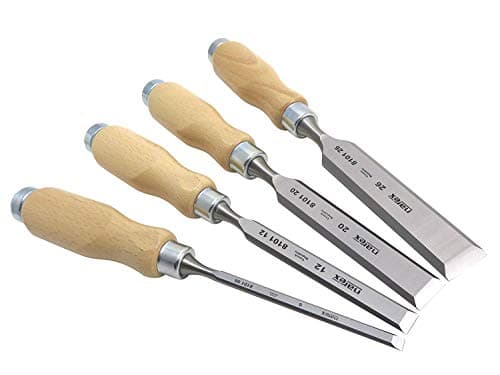
The Best Woodworking Chisels
A tight set of good chisels beats a ten-piece box of soft steel. We rank the sets worth buying and explain why sharpening matters more than any of them.
HUB 01
Chisels, clamps, planes, squares and marking tools — ranked for the work, priced live, and honest about which ones a first shop can skip.
Hand tools are where most shops start, and where the "buy the whole set" trap catches the most people. A rack of twelve chisels looks like progress; in practice a first shop does its real work with three of them, and the money spent on the other nine would have bought a sharpening setup that makes all three cut better. This hub is built around that idea — what actually earns a place on the bench versus what sits in a drawer.
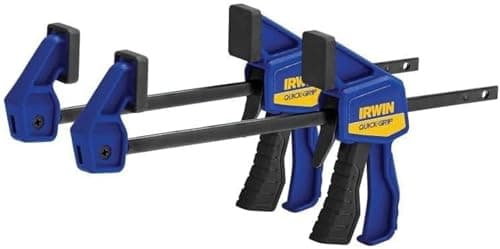
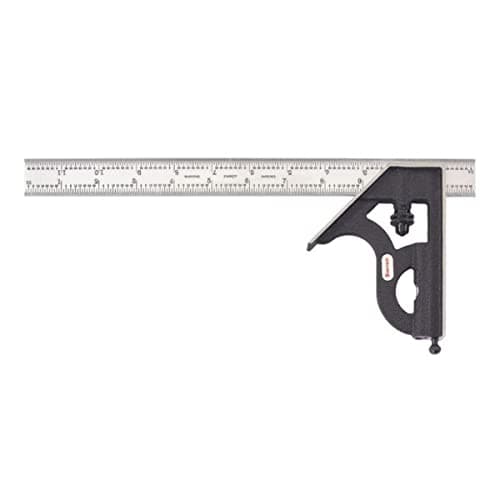
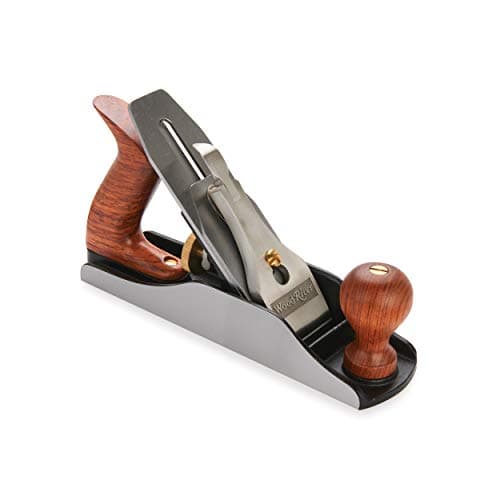
We split the category the way you use it. Chisels are the tool you reach for on every joint, so the steel and how well it holds an edge matter more than the count in the set. Clamps are the one thing every woodworker wishes they had more of; the honest advice is to buy fewer, better clamps of the right type for glue -ups rather than a pile of cheap ones that rack under pressure. Hand planes, squares and marking gauges are the accuracy tools — the ones that decide whether your joints close, and the ones where a modest, well-made version beats a flashy one every time.
Because this is a research site and not a test lab, our ranking leans on the specs a manufacturer publishes — steel type and hardness on a chisel, jaw capacity and clamping force on a clamp, blade length on a square — plus the pattern in owner reviews, read at volume. Where a spec is a manufacturer claim, we say so. Where two tools are effectively the same and one is cheaper, we tell you to buy the cheaper one, even when the pricier one would pay us more.
If you are setting up a first shop, start with the chisel and clamp roundups below, then read the essential-tools checklist to see how the hand tools fit alongside the power tools. If you already know what you need, every roundup opens with a quick-compare table so you can get to the pick and the live price without scrolling.
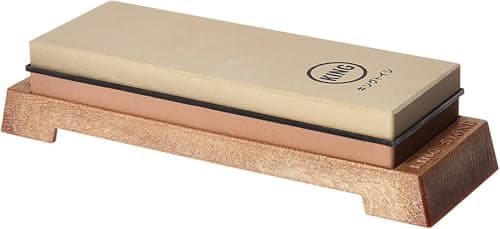
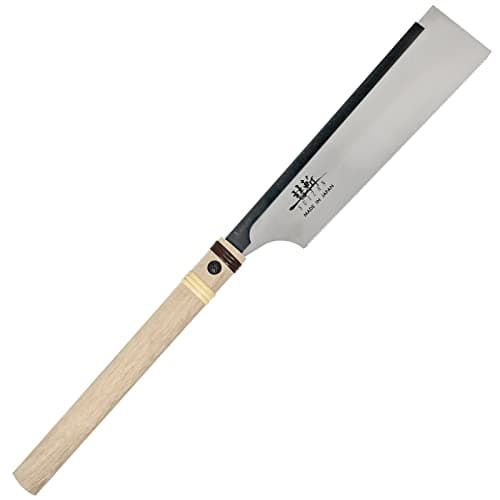
Newer here: the best hand planes and what the plane numbers actually mean, the best dovetail saws (Japanese pull saws against Western push saws), and the best sharpening stones — which is the purchase that makes every other edge tool on this page work.
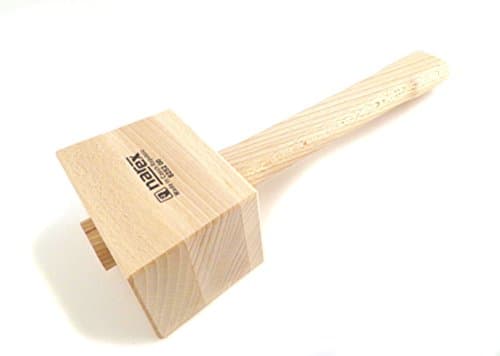
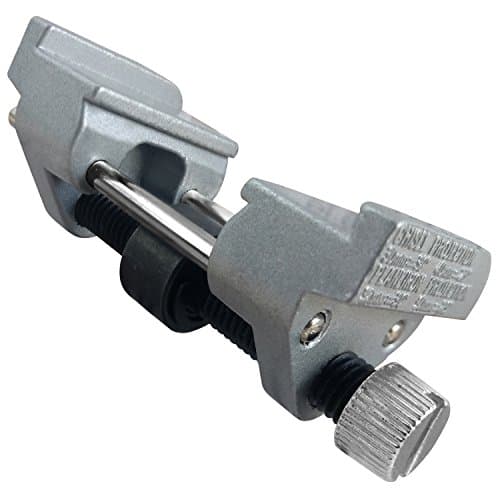
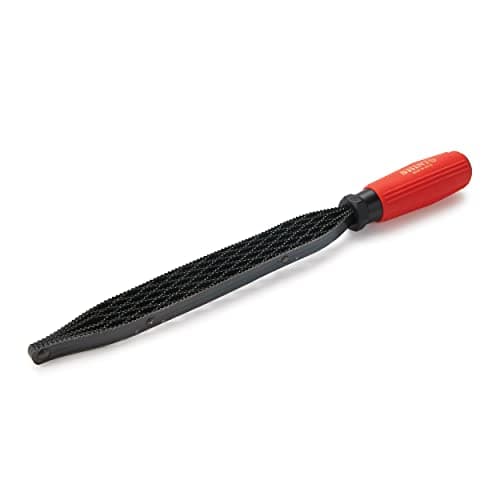
Newest additions: the best chisels for beginners (the same field ranked for a first set rather than for outright quality), the best woodworking mallets to strike them with, the best honing guides for holding an angle before you can do it freehand, waterstones vs diamond plates if you are choosing between sharpening systems, and the best wood rasps for the curves no plane can reach.
We earn a commission when you buy through our Amazon links, at no extra cost to you. It never changes our rankings, and we say so when the cheaper tool is the better buy. How this works.
Start here

A tight set of good chisels beats a ten-piece box of soft steel. We rank the sets worth buying and explain why sharpening matters more than any of them.
Everything in this hub

Roundup
A tight set of good chisels beats a ten-piece box of soft steel. We rank the sets worth buying and explain why sharpening matters more than any of them.

Roundup
Parallel clamps for flat panel glue-ups, trigger clamps for holding, pipe clamps for cheap long reach. We rank the types and tell you which to buy first.

Roundup
A combination square is the one to buy first; a fixed precision square, a speed square and a machinist set each cover a job it cannot. We rank the squares worth owning.

Roundup
Five hand planes ranked on iron thickness and out-of-box machining, plus the honest answer to which number plane a first shop should buy.

Roundup
Water stones, diamond plates and ceramics ranked on speed, finish and flatness retention — plus the two-stone setup that covers a whole shop.

Roundup
Six joinery saws ranked — dozuki, ryoba, gent's and tenon — on kerf, ease of starting and cut quality, with the pull-versus-push question answered plainly.

Roundup
A first set only needs three sizes and a way to sharpen them. We rank five sets by what a beginner actually needs — and say when the cheap set is the right answer.

Roundup
A round beech head strikes true at any angle; a urethane head kills the rebound. Five mallets ranked, plus how much head weight chisel work actually wants.

Roundup
Holding a consistent angle is the hard part of sharpening, and a fifteen-dollar jig removes it entirely. Five guides ranked, plus what the angle-setting jig is for.

Roundup
Rough with a rasp, refine with a file. Five shaping tools ranked, and the honest split between the ones that remove wood and the ones that leave a surface.

Head to head
Waterstones cut fast and polish finer but need soaking and flattening. Diamond plates stay flat forever and need almost nothing. Which suits your shop, honestly compared.

Roundup
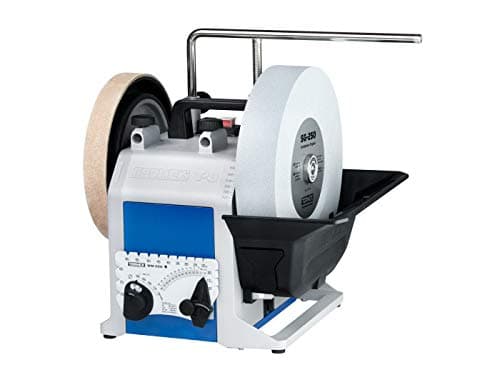
Water-cooled sharpening machines ranked on edge quality, repeatability and jig support — plus an honest case for a stone and a guide instead. Live prices on every pick.

Roundup
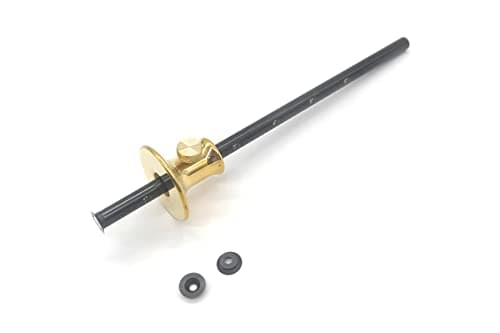
Wheel and mortise marking gauges ranked on line quality and adjustment, plus the marking knife that finishes the job. Live prices on every pick.

Buyer's guide
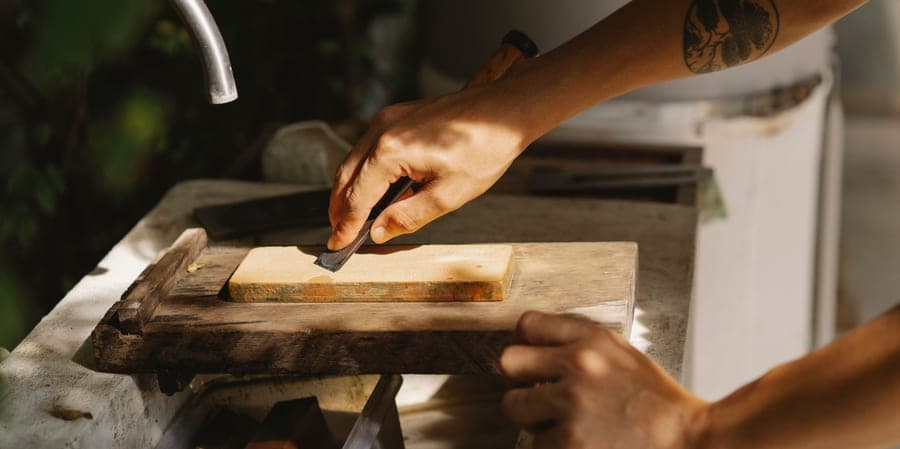
Flatten the back once, work up through the grits, raise and remove a burr. The sharpening habit beats the steel every time — here's the method.

Buyer's guide
No. 4, No. 5, No. 7, block, shoulder, rabbet — what every hand plane number and type actually means, and which two a first shop needs.

Buyer's guide
Sharpen first, set the chipbreaker second, flatten the sole only if you must. The tuning sequence in order of what actually changes the cut.