Roundup
The Best Dovetail Jigs
Fixed-template jigs cut one spacing fast; variable jigs cut anything but take longer to set up. We rank both and tell you which your projects call for.
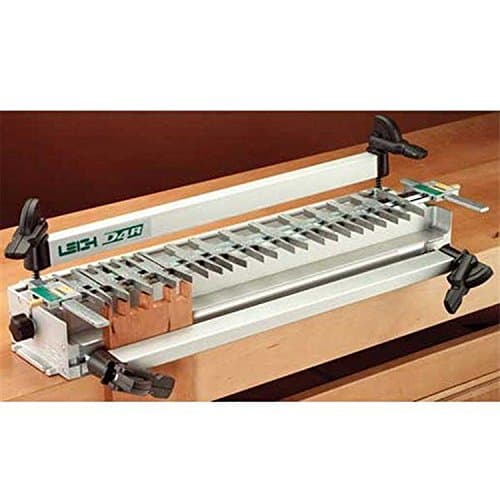
Top pick: Leigh D4R Pro Dovetail Jig$769.00 · Amazon
HUB 04
Dovetail jigs, pocket-hole jigs and the tools that cut real joints — ranked, priced live, and tied to the project you're actually trying to build.
Joinery is the half of the brand name for a reason: it is where woodworking stops being cutting boards and starts being furniture. This hub is built around outcomes, not product categories. You are not really shopping for "a dovetail jig" — you are trying to build a drawer that holds together, and the jig is one of several ways to get there. So every roundup here is paired with a project guide that maps the tools to the job.
The two big decisions are dovetails and pocket holes, and they sit at opposite ends of the same spectrum. A pocket-hole jig is the fastest route to a strong, hidden joint — it is what you reach for on cabinets, face frames and shop furniture where speed matters and the joint will never be seen. A dovetail jig is slower, fussier and produces the joint people actually admire; it is worth the learning curve when the joinery is the point. Neither is "better". They answer different questions, and we tell you which question you are asking.
Within dovetail jigs, the split is between fixed-template jigs that cut one spacing quickly and adjustable jigs that cut anything but take longer to set up — a genuine trade of speed for versatility that the price tag alone won't tell you. Within pocket-hole jigs, the honest truth is that one brand dominates the category on ecosystem and clamping, and the real decision is which tier of it you need, not which brand.
If you have never cut a dovetail, start with how to cut dovetails — it explains what each tool does before you spend on any of them, and links to the chisel, saw and jig roundups it references. If you already know the joint you want, jump straight to the dovetail jig or pocket-hole jig roundup.
Beyond those two: doweling jigs for invisible joints, pocket holes vs dowels if you are deciding between them, how to cut a mortise and tenon for the joint that is stronger than either, and the two things every joint needs at the end — the right wood glue and corner clamps to hold it square while it cures.
Newest additions: the best biscuit joiners for keeping panels flush through a glue-up, the right pocket-hole screws for the jig you already own, dovetail jig vs hand-cut dovetails if you are deciding how to make the joint, and a plain-English tour of every joint type and what each one is genuinely strong at.
We earn a commission when you buy through our Amazon links, at no extra cost to you. It never changes our rankings, and we say so when the cheaper tool is the better buy. How this works.
Start here
Fixed-template jigs cut one spacing fast; variable jigs cut anything but take longer to set up. We rank both and tell you which your projects call for.
Everything in this hub
Roundup
Fixed-template jigs cut one spacing fast; variable jigs cut anything but take longer to set up. We rank both and tell you which your projects call for.
Roundup
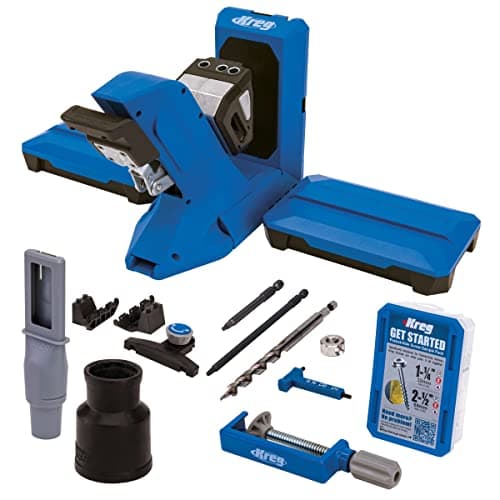
Pocket screws are the fastest hidden joint in woodworking. Kreg dominates on ecosystem and clamping — we rank its tiers plus the best non-Kreg option.
Roundup
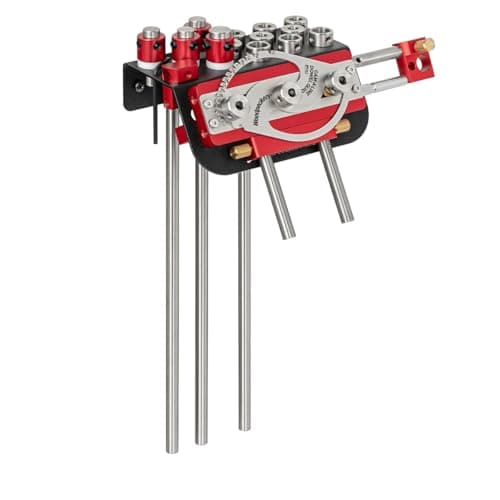
A dowel joint is invisible and strong, and it lives or dies on hole alignment. Five jigs ranked from a handheld budget pick to a precision master kit.
Roundup
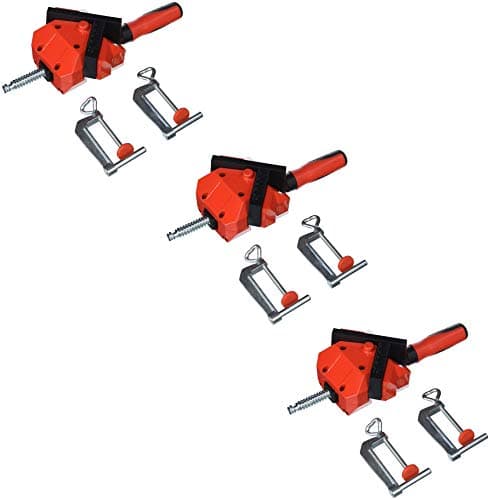
Five corner clamps ranked on squareness under load, clamping force and what they can actually reach around — plus when an assembly square beats a clamp.
Roundup
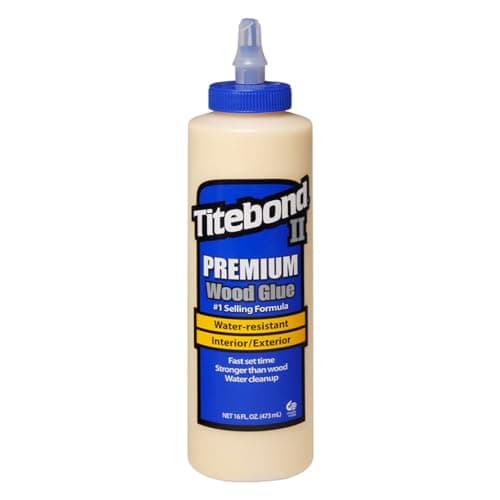
Six wood glues ranked on open time, water resistance and glue-line color — including the honest note that a properly glued joint is stronger than the wood.
Roundup
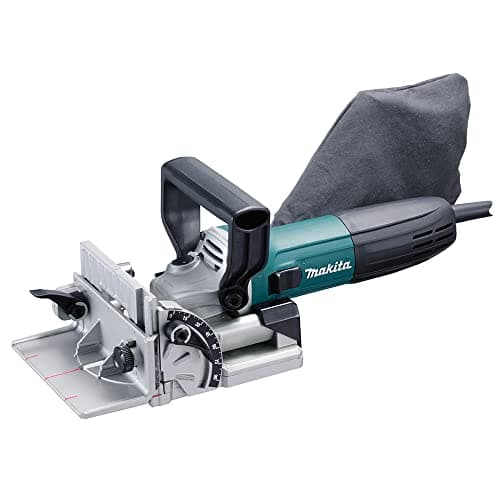
A biscuit joiner's real job is keeping panels flush during a glue-up. Five plate joiners ranked on fence accuracy, plunge feel and slot consistency.
Roundup
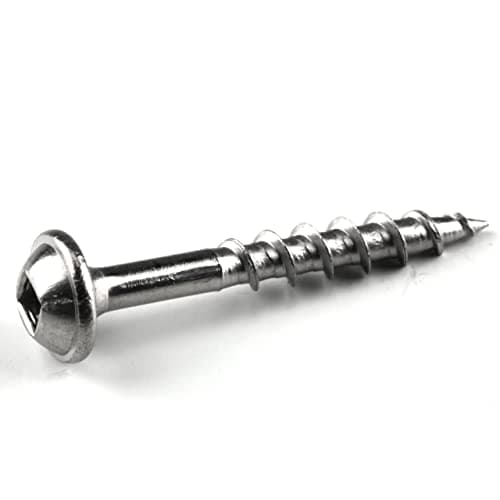
Coarse for softwood and ply, fine for hardwood, 1-1/4 inch for 3/4-inch stock. Five boxes ranked, plus the coating you need for outdoor work.
Head to head
Pocket screws are fast and visible; dowels are slow and invisible. Both are strong enough for furniture — here is how to pick in a paragraph.
Head to head
A jig wins on repetition; hand tools win on setup time, cost and how the joint looks. The honest comparison, with the kit for both routes.
Roundup
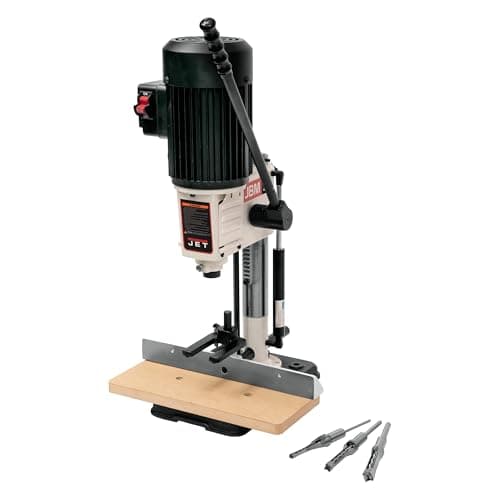
Hollow-chisel mortisers ranked on chisel capacity, stroke and rigidity, with the drill-press attachment as the budget route. Live prices on every pick.
Head to head
The two names people actually cross-shop, compared on clamping, guide wear, screw compatibility and long-term cost. Live prices on both.
Buyer's guide
What each tool does before you buy any of it, the steps in order, and the beginner mistakes worth skipping — hand-cut and jig routes both.
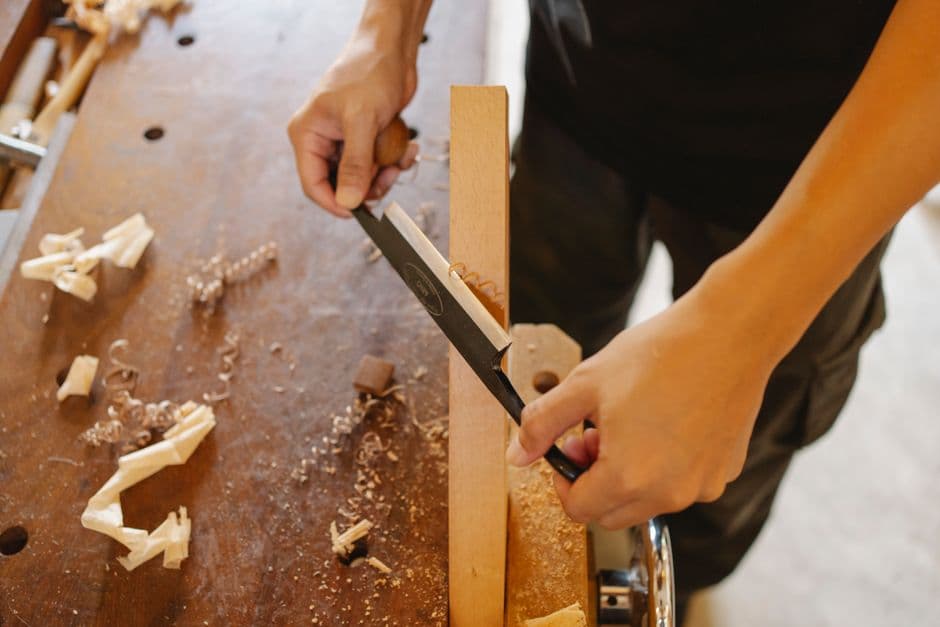
Buyer's guide
The strongest joint in furniture, step by step — proportions, the mortise-first rule, and how to rescue a tenon you cut too thin.
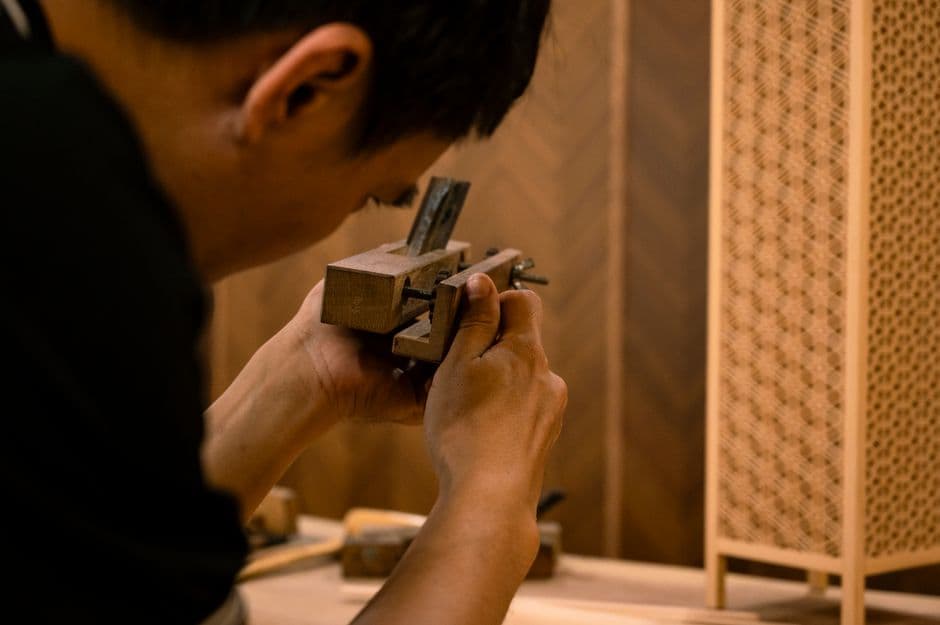
Buyer's guide
Butt, rabbet, dado, pocket hole, dowel, biscuit, mortise and tenon, dovetail — the strengths, the honest weaknesses, and a simple rule for choosing between them.
Buyer's guide
Router dovetails start and end with test cuts. The full setup sequence for half-blind and through dovetails, plus the four mistakes that ruin a first attempt.
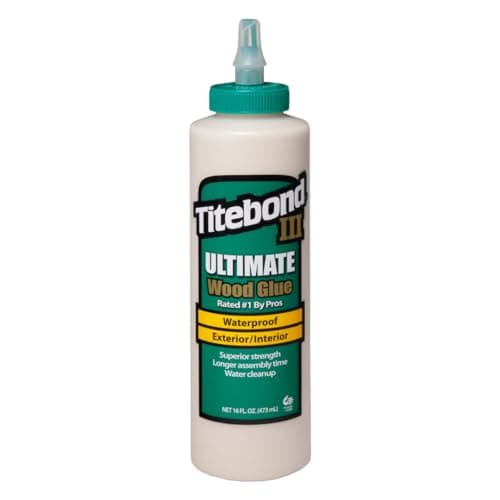
Buyer's guide
Jointing, grain arrangement, clamp spacing, cauls and the dry run. Everything that decides whether a panel comes out flat happens before the glue does.