Roundup
The Best Woodworking Routers
The word 'router' covers three tools — a trim router, a mid-size combo, or a table router. We rank six and tell you which job each one is really for.
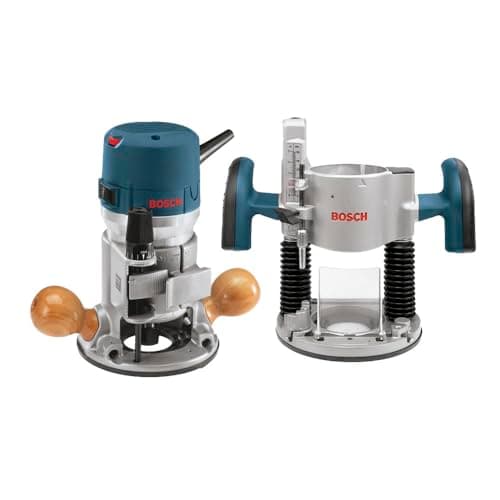
Top pick: Bosch 1617EVSPK Router Combo$207.99 · Amazon
HUB 02
Routers, planers, jointers and saws — ranked for a home shop, priced live, and framed around the decision you're actually making.
Power tools are where a woodworking budget gets serious, so this hub is organized around the decisions that cost the most to get wrong. A routeris the single most versatile machine most shops own, which is exactly why the "best router" question splits into three real questions — a compact trim router, a mid-size combo, or a big fixed unit for a router table. A benchtop planer and a jointer look similar and do opposite jobs; buying the wrong one first is the most common milling mistake, which is why we put a comparison page next to both roundups.
The saws follow the same logic. A track saw and a table sawoverlap enough that a small shop rarely needs both on day one — and which one you should buy first depends on whether you break down sheet goods or rip solid stock, not on which is "better". We wrote the head-to-head so you can make that call in a paragraph instead of a week of forum threads.
Amazon carries the bulk of this category — benchtop planers, jointers, routers, track saws, sanders — at prices a home shop actually pays. The exceptions are the big cabinet-class machines (industrial table saws, large jointers) that live in a different budget and usually ship from specialist dealers; where a premium alternative matters, we name it and explain the jump without leaving you a dead buy button.
Every roundup here segments by shop size and budget, because a jobsite table saw that is perfect for a one-car garage is the wrong answer for someone building a dedicated shop — and vice versa. Start with the router or planer roundup if you are filling gaps, or read jointer vs planer first if you are about to spend on milling and want to spend once.
The saws and machines each have their own ranking now: table saws, track saws, bandsaws, benchtop jointers, random orbital sanders and router tables. If you are choosing between ripping and crosscutting first, read table saw vs miter saw.
Newest additions: the best miter saws ranked for a wood shop rather than a framing crew, the best drill presses and oscillating spindle sanders, and the two consumables that improve a machine more than replacing it would — the best table saw blades and the best router bits. If you are still working out what a router actually needs, start with router bit types explained and plunge vs fixed base.
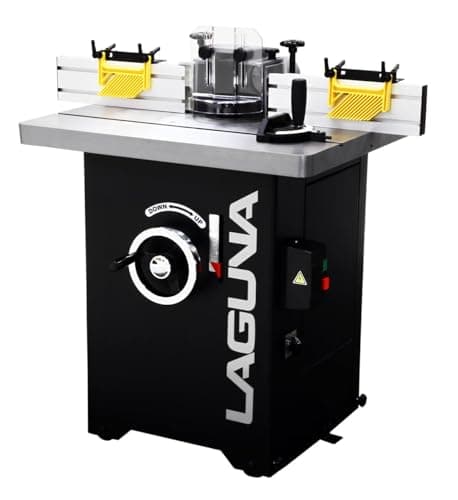
Just added: the best wood shapers— five single-phase machines that are genuinely in stock, ranked on the power your shop can actually supply, spindle and speed range, and table size. It opens with the answer most readers need first, which is that a router table does a large share of this work for a fraction of the money.
Before that, on routers specifically: a straight answer to which router you should buy— trim, fixed base or plunge, decided by what you make — plus two reference pages, the router bit speed chart with manufacturer-published maximum RPM by cutting diameter, and 1/4 vs 1/2-inch shanks, which is the collet decision that outlives the router itself.
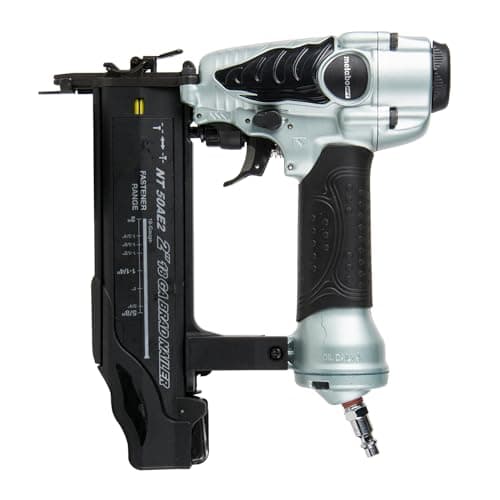
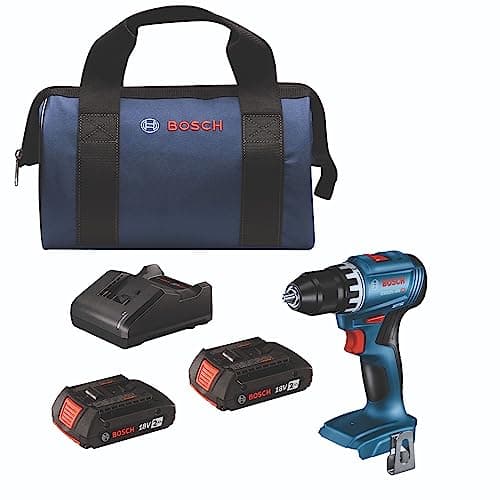
Also recent: the best cordless drills — ranked for a wood shop rather than a framing crew, on the chuck that actually holds a Forstner bit, the clutch resolution that stops a screw stripping in hardwood and how slowly first gear will turn. Before that: the best brad nailers— the third hand that holds a glued joint closed so you need three clamps instead of eleven — and the best scroll saws, the one machine here that cuts a closed shape out of the middle of a panel.
We earn a commission when you buy through our Amazon links, at no extra cost to you. It never changes our rankings, and we say so when the cheaper tool is the better buy. How this works.
Start here
The word 'router' covers three tools — a trim router, a mid-size combo, or a table router. We rank six and tell you which job each one is really for.
Everything in this hub
Roundup
The word 'router' covers three tools — a trim router, a mid-size combo, or a table router. We rank six and tell you which job each one is really for.
Roundup
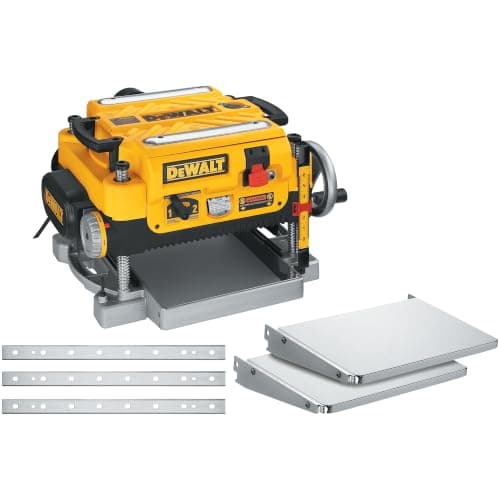
Three-knife heads cut clean and cost less; spiral heads tear out far less on figured wood and run quieter. We rank five and tell you which head your stock needs.
Roundup
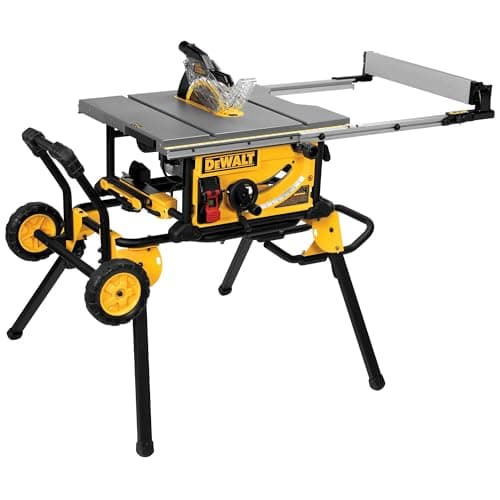
Rip capacity and fence quality decide a table saw. We rank five jobsite and contractor saws on those two things and say which one your shop actually needs.
Roundup
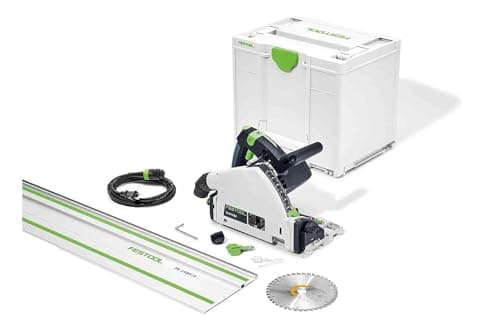
A track saw turns a sheet of plywood into cabinet parts on the floor, with a jointed edge. We rank six and show what the rails really add to the price.
Roundup
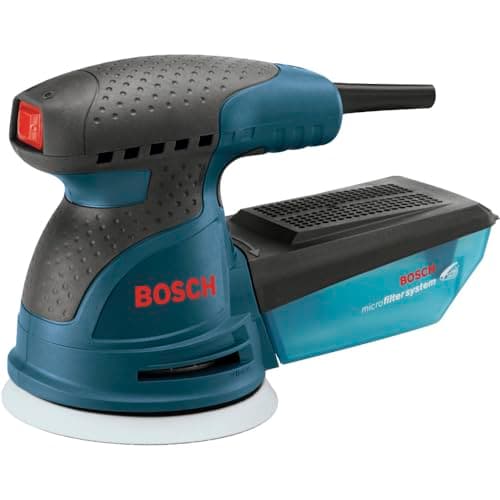
Six random orbital sanders ranked on finish, dust capture and comfort — and the honest note that your grit sequence matters more than your sander.
Roundup
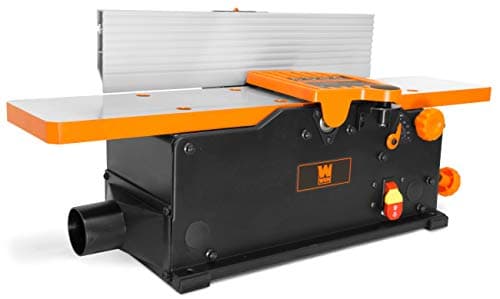
A benchtop jointer flattens a face and straightens an edge in a shop with no room for a floor machine. Five ranked, with the bed-length limit stated plainly.
Roundup
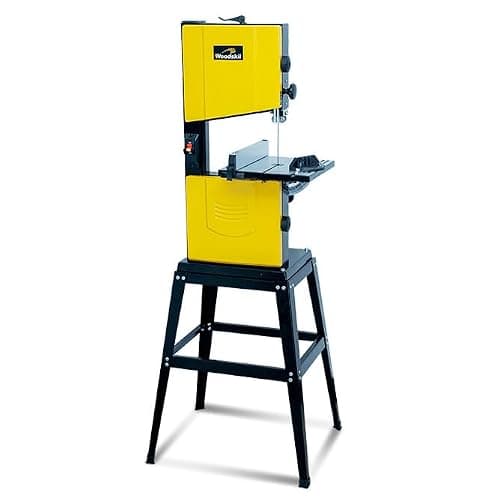
Curves, resawing and joinery a table saw cannot touch. Four bandsaws ranked from 9-inch benchtop to 14-inch resaw, with the frame-rigidity story explained.
Roundup
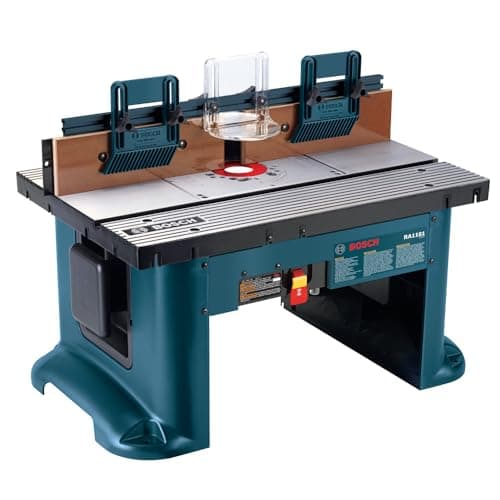
A router table turns a handheld router into a small shaper. Five ranked on flatness, fence precision and dust capture — plus what a lift does and does not buy you.
Roundup
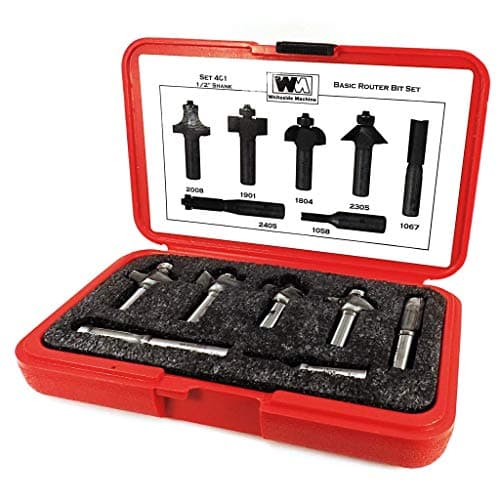
Buy a cheap set to find out which profiles you use, then buy those three properly. We rank the sets and the individual bits worth upgrading to.
Roundup
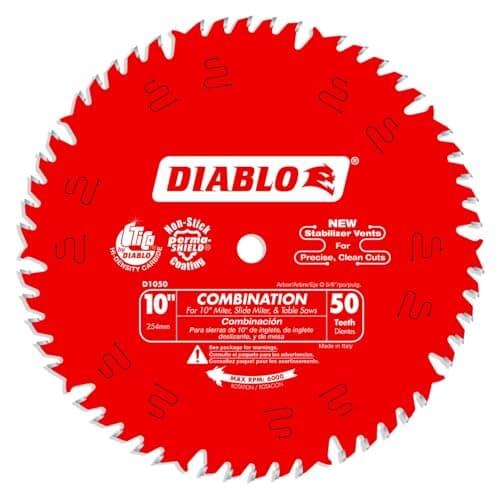
A better blade improves a cheap saw more than a better saw improves a cheap blade. Tooth count, grind and kerf explained, with five blades ranked.
Roundup
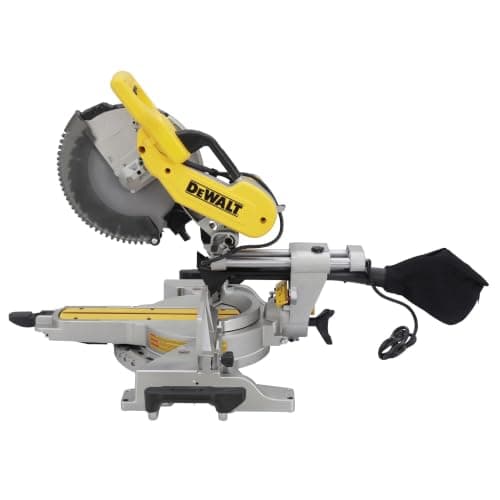
Slider or chopper, 10 inch or 12, single or dual bevel — the three decisions that set the price. Six saws ranked for a home wood shop.
Roundup
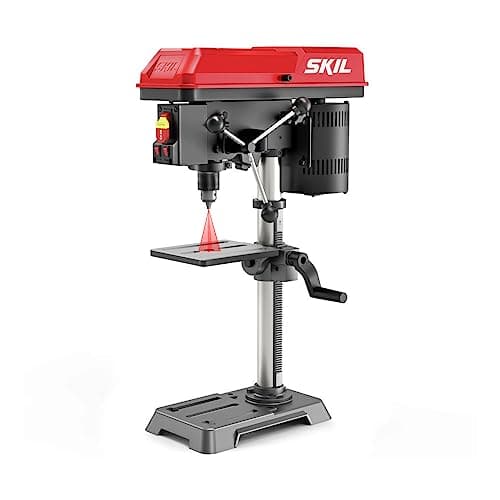
A drill press buys you one thing: a hole that is exactly perpendicular, every time. Five benchtop machines ranked on swing, speed range and real woodworking use.
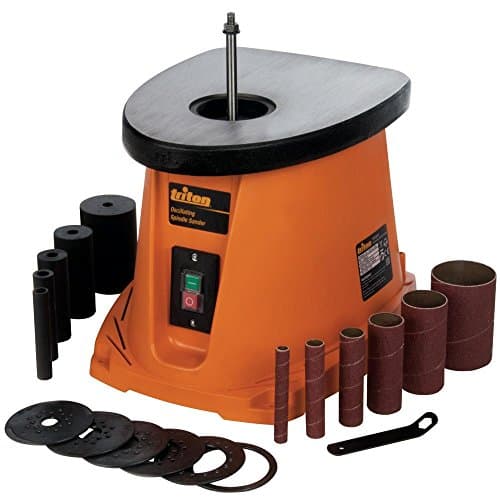
Roundup
Oscillation is what stops the sleeve burning a track into your curve. Five benchtop sanders ranked, plus the two-in-one machines worth considering in a small shop.
Head to head
A jointer flattens and straightens; a planer thicknesses. They do opposite jobs — and for most home shops the planer is the smarter first buy. Here's why.
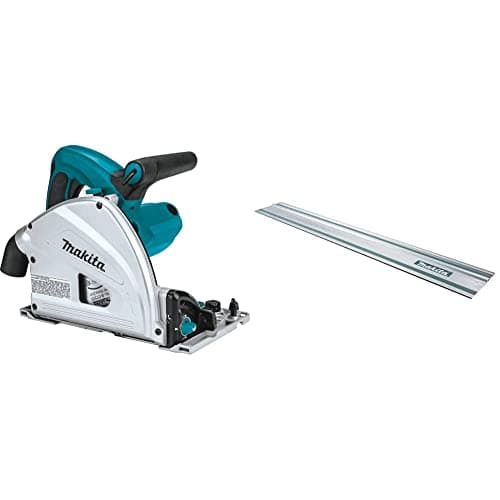
Head to head
A track saw breaks down sheet goods in a tight space; a table saw rips solid stock fast. A small shop rarely needs both first — we tell you which to start with.
Head to head
A table saw rips along the grain; a miter saw crosscuts across it. Which one comes first depends on your work — here is how to decide in a paragraph.
Head to head
A plunge base starts cuts in the middle of a board; a fixed base is steadier for edges and lives in a router table. The honest answer for most shops is a combo kit.
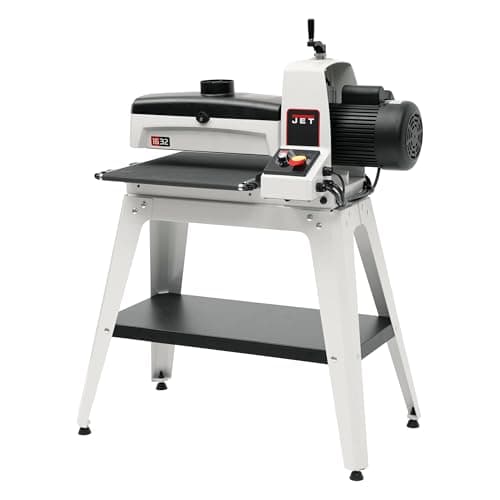
Roundup
Drum sanders sized by two-pass width and horsepower, with the honest warning that a planer does thicknessing better and cheaper. Live prices on every pick.
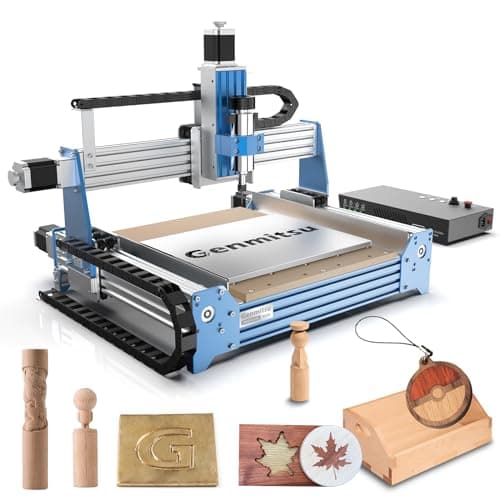
Roundup
Desktop CNC routers ranked on work area and frame rigidity, with a straight account of the software and setup time. Live prices on every pick.
Roundup
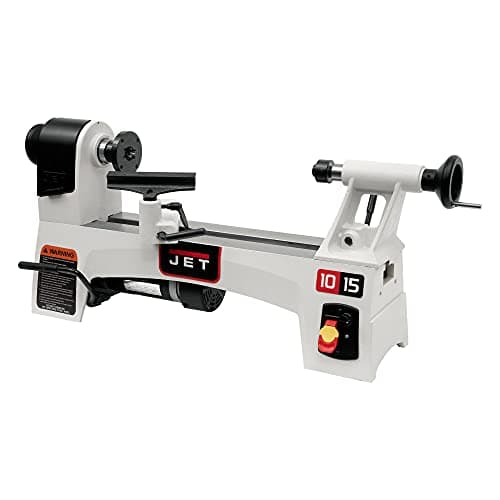
Mini and midi lathes ranked on swing, bed length and speed control, with a clear warning about the tool and sharpening budget nobody quotes. Live prices on every pick.
Roundup
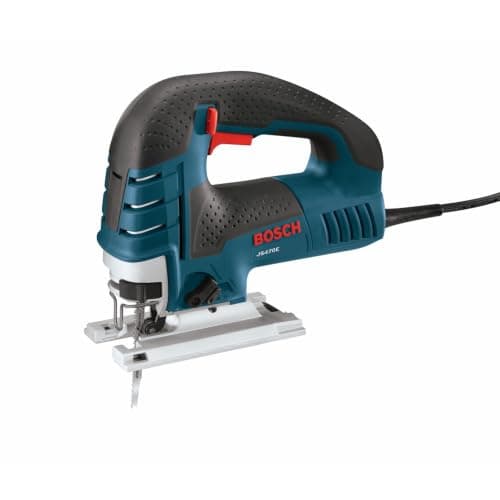
Jigsaws ranked on cut squareness, grip style and blade change, with the blade guidance that matters more than the tool. Live prices on every pick.
Head to head
The table saw takes a repeatable cut; the circular saw goes to the work. Which to buy first, decided by shop size and what you build, in a paragraph.
Head to head
Straight and repeatable versus curved and resaw-capable. The two machines overlap far less than people assume — here is how to choose between them.
Roundup
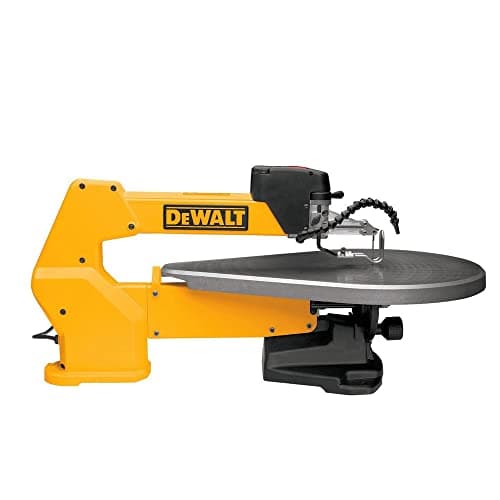
Scroll saws ranked on arm geometry, vibration, throat depth and blade change, with the pinned-vs-pinless blade advice that decides how fine you can cut. Live prices on every pick.
Roundup
Brad nailers ranked on nose geometry, depth consistency and jam handling, with the gauge and compressor advice that decides which one you should own. Live prices on every pick.
Roundup
Five cordless drills ranked for a wood shop on chuck quality, clutch resolution and how slow first gear will go — plus the honest case for a 12V drill as your second one. Live prices on every pick.
Roundup
Five single-phase shapers that are genuinely in stock, ranked. Plus the buyer-first answer most home shops need first: a router table does a large share of this work for a fraction of the money.
Buyer's guide
Straight, spiral, flush-trim, edge-forming, rabbeting and joinery bits — what each family is for, why 1/2-inch shanks cut steadier, and the speed rule for large bits.
Buyer's guide
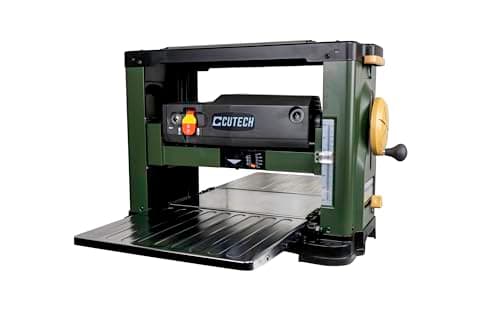
What a helical cutterhead actually changes: tear-out in figured wood, noise, and a knife change that becomes a screwdriver job. Plus who genuinely needs one.
Buyer's guide
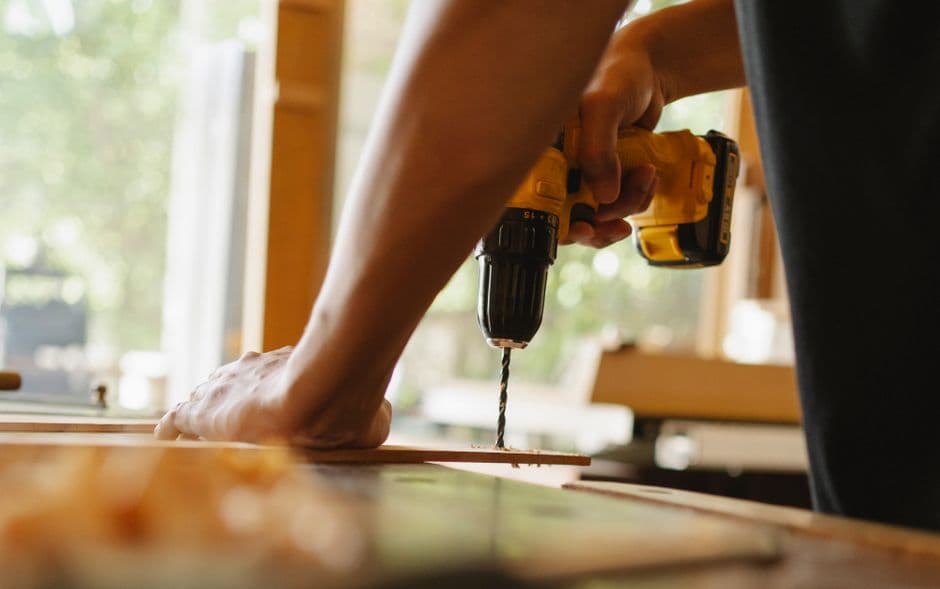
Trim, fixed-base and plunge compared head-on, decided by what you make rather than by horsepower. Plus the collet and table-mount details that decide it for you.
Buyer's guide
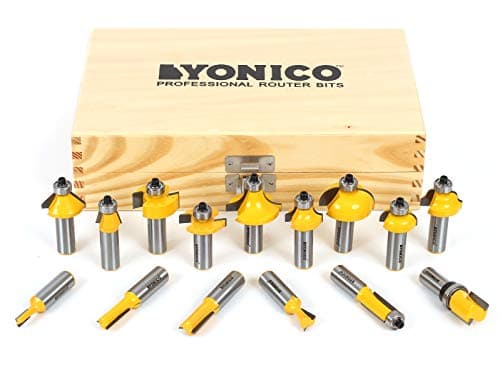
Doubling shank diameter multiplies stiffness far more than twofold, which is why big profiles chatter on 1/4-inch shanks. When the small shank is fine, and why adapters disappoint.
Buyer's guide
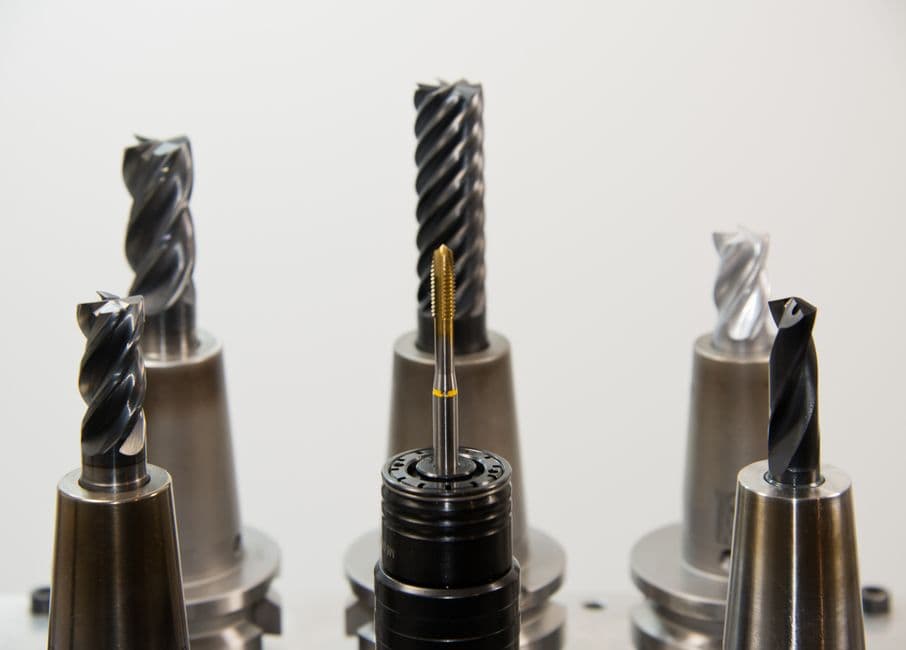
Published max RPM from a named manufacturer for seven bit diameters, the computed tip speed for each, and how to set your router when the bit has no marking.