Dust collectors, shop vacs, separators and air filtration — ranked for a home shop, priced live, and backed by the CFM arithmetic most sites skip.
Dust collection is the part of a shop that is easy to under-buy and hard to fix later, and it is also the category where the marketing and the physics disagree most. A machine advertised as a "1,200 CFM" collector is quoting its free-air rating — the flow with nothing attached. Add a length of flex hose, a few fittings and a filter, and the real flow at the tool can be less than half of that. This hub is built to close that gap between the box and the bench.
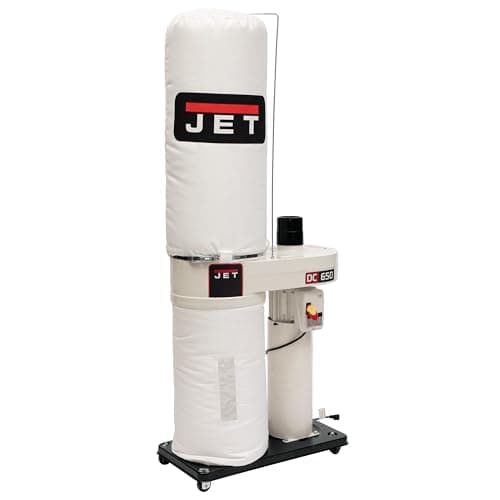
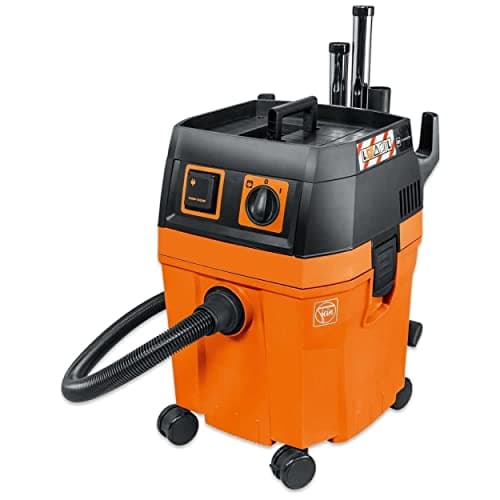
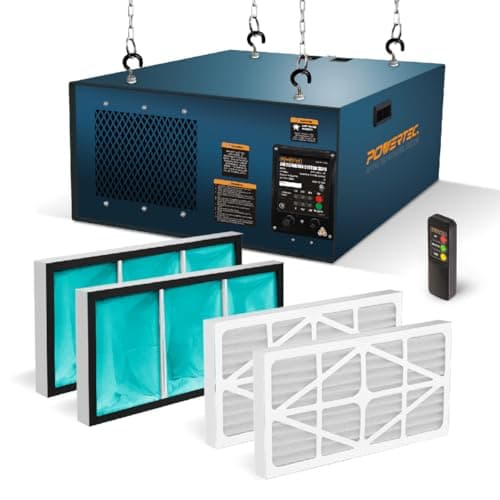
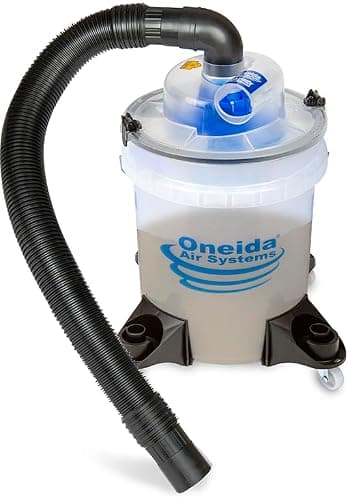
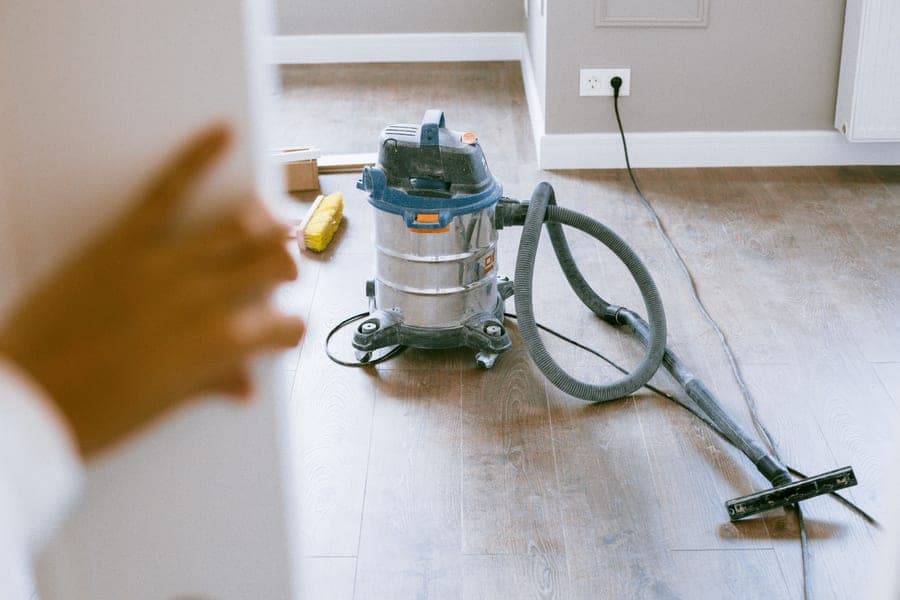
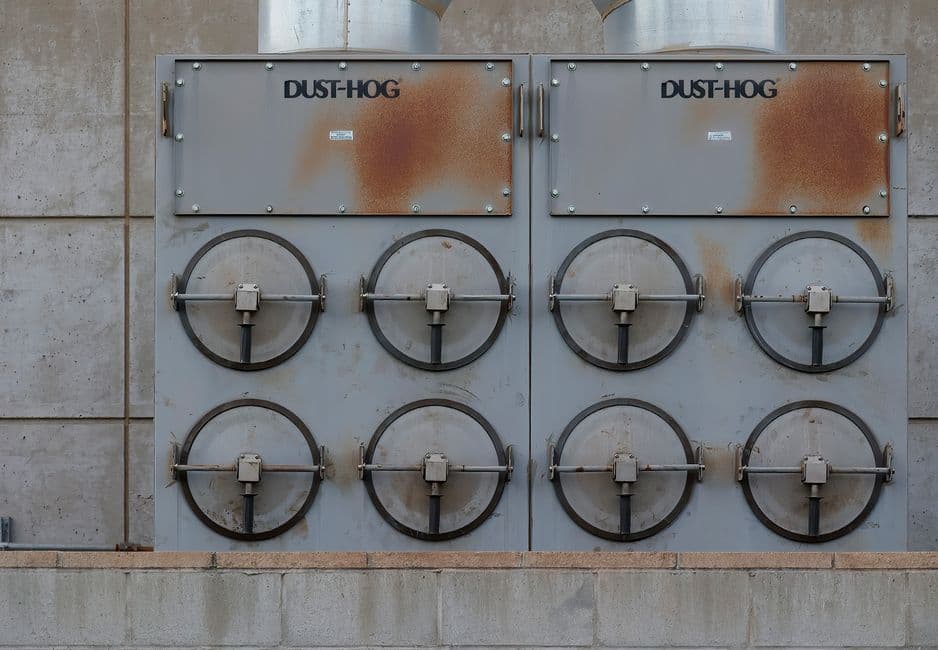
The honest version of this category is a decision tree, not a single "best" product. A shop vac plus a cyclone separator is the right first move for a shop running handheld sanders, a track saw and a small router. A dedicated dust collector is what you step up to when a planer, jointer or table saw starts producing chips faster than a vac can move them. Air filtration is the third leg — it catches the fine, lung-reaching dust that settles for hours after the machines stop, and it does nothing to collect at the tool, so it is an addition, never a replacement.
Our flagship here is the CFM guide, because it is the piece of arithmetic that decides everything else and the one no ranking competitor publishes. Every tool has a port size and a rough airflow it needs to actually clear chips; every foot of hose and every fitting subtracts from what your collector delivers. We show the inputs and the calculation so you can size a collector to your shop instead of guessing from a headline number.
Start with the small-shop collector roundup if you already know you need a dedicated machine, and read the CFM reasoning inside it before you spend. If you are earlier than that, a separator on a good shop vac is the cheapest real improvement you can make to shop air.
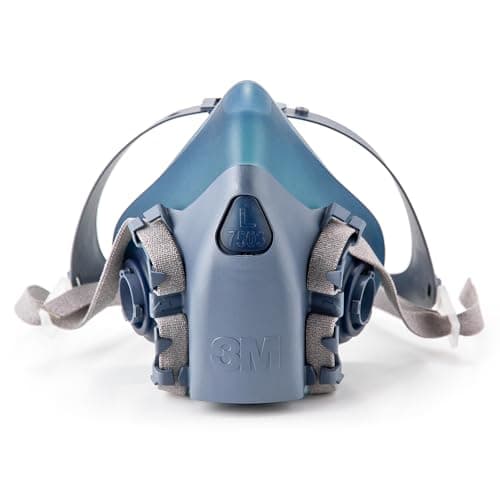
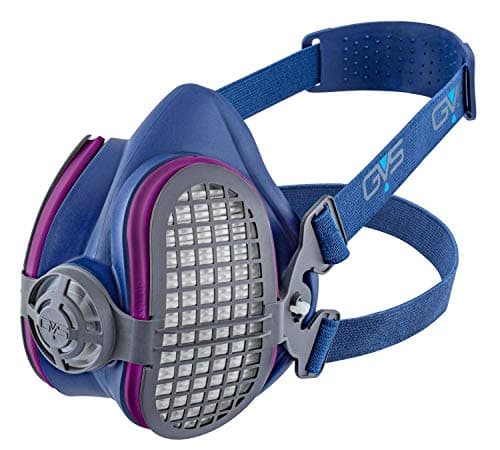
All three legs of the decision tree now have their own ranking: shop vacs and dust extractors, air filtration systems (with the air-change arithmetic to size one for your shop), and the cheapest layer of all — dust masks and respirators.
Just added, and the page we would most like you to bookmark: the dust collector CFM chart — published airflow figures machine by machine, what a 2-1/2, 4, 5 or 6-inch duct can physically carry at the velocity chips need, and the formula behind every row. Alongside it, dust collection on a budget sets out the cheapest-first buying order, and two new per-machine guides cover the awkward cases: router tables, which need collecting in two places at once, and lathes, where the honest advice is to stop chasing the shavings entirely.
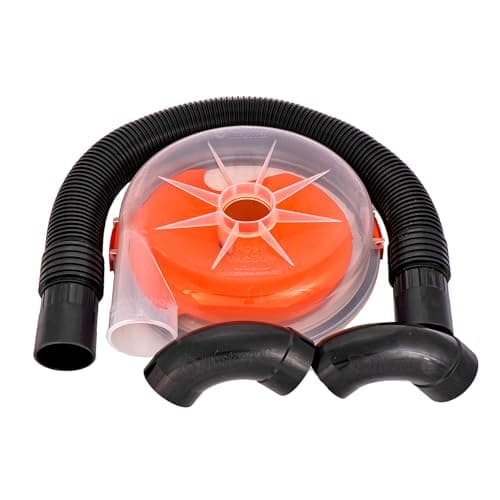
Before those: the best cyclone separators— the cheapest upgrade in the whole category, because a clean filter is what keeps your suction — plus the hose, blast gates and fittings that decide how much of that airflow reaches the tool, and a plain guide to laying out the ducting without throwing airflow away.