Skip to content
Dovetail & Dust

HUB 01 · Hand Tools

The Best Sharpening Stones for Chisels and Plane Irons

Ranked on cutting speed, edge finish and how flat they stay — because a dished stone teaches you the wrong angle every time you use it.

By Stephen V.Updated Published How we research
#ad

We earn a commission when you buy through our Amazon links, at no extra cost to you. It never changes our rankings, and we say so when the cheaper tool is the better buy. How this works.

Sharpening is the highest-leverage skill in woodworking, and the equipment question is simpler than the internet makes it: you need something coarse to shape an edge, something fine to polish it, and something flat to keep the first two honest. Everything beyond that is refinement.

The three families work differently. Water stonescut fast because their binder releases worn grit and exposes fresh — the same property that makes them dish quickly and require flattening. Diamond plates are industrial diamond bonded to a steel plate: they never need flattening, they cut hard modern steels that clog softer stones, and they will not take an edge quite as high as a fine water stone. Ceramic and glass-backed stones like the Shapton sit between the two: fast, far more flatness-stable than a soft water stone, and splash-and-go rather than soak-first.

Which family suits you depends less on your tools than on your habits. If you sharpen often and are happy to flatten a stone regularly, water stones give the keenest edge for the money. If you sharpen occasionally and want to pick a stone up and use it, buy diamond and never think about flattening again. That is the actual decision, and it is why our top two picks come from different families.

A note on the flattening problem, because it is the thing beginners get wrong. A soft water stone wears fastest in the middle, where you use it. Once hollow, it grinds a convex bevel on your chisel — the edge rounds over and stops cutting no matter how long you spend. People conclude they cannot sharpen. They can; their stone is dished. Flatten it (a flattening stone, a diamond plate or sandpaper on plate glass all work) and the problem disappears.

Finally, the sequence itself. Our chisel sharpening guide walks through it step by step, and it applies unchanged to plane irons: flatten the back once, work the bevel up through the grits, raise a burr, remove it. The stones below are the tools for that method, not a substitute for it.

The short answer

Quick picks

#ProductBest forScorePrice
01
King King KW65 1000/6000 Combination Whetstone
King KW65 1000/6000 Combination Whetstone

The stone that has taught more people to sharpen than any other. One block covers the two grits a chisel actually needs, and it costs less than a single premium stone.

Best overall
7.4
$28.00Amazon
02
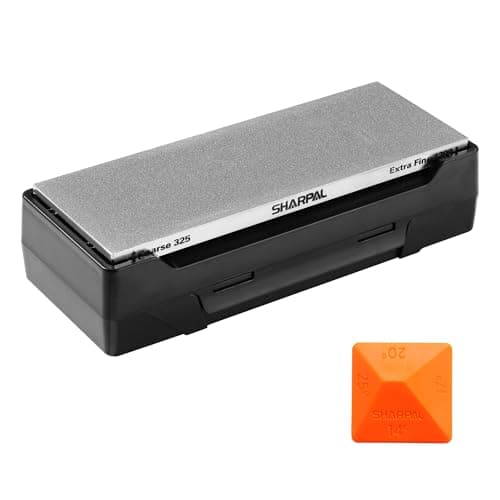
SHARPAL SHARPAL 162N 8-in Double-Sided Diamond Stone
SHARPAL 162N 8-in Double-Sided Diamond Stone

The stone that never needs flattening. A big 8 × 3-inch diamond plate, coarse on one face and fine on the other — the low-maintenance answer for a shop that sharpens irregularly.

Best low-maintenance
8.6
$62.99Amazon
03
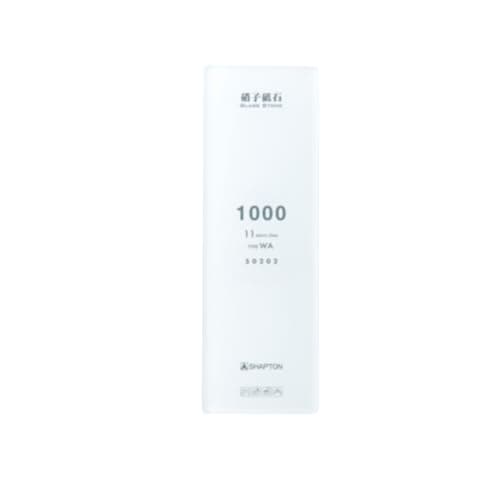
Shapton Shapton GlassStone 1000
Shapton GlassStone 1000

A thin ceramic abrasive bonded to a glass plate. It cuts fast, stays flat far better than a soft water stone, and needs only a splash of water rather than a soak.

Best for fast, flat honing
8.2
$56.70Amazon
04
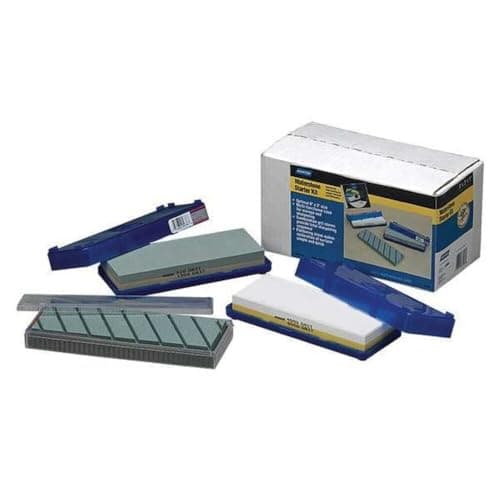
Norton Norton Waterstone Starter Kit (220/1000 + 4000/8000)
Norton Waterstone Starter Kit (220/1000 + 4000/8000)

The complete grit ladder in one box, including the flattening stone most people forget to buy. Four grits from repair-coarse to polish, plus a holder.

Best complete kit
7.4
$221.99Amazon
05
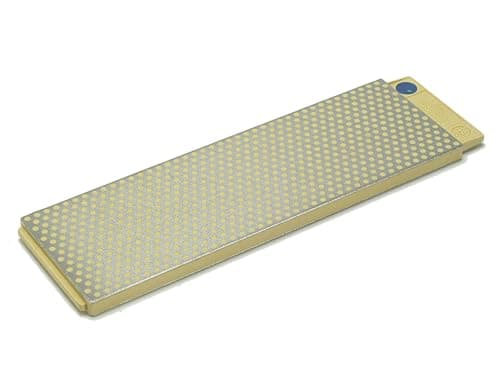
DMT DMT W250CXNB DuoSharp 10-in Diamond Bench Stone
DMT W250CXNB DuoSharp 10-in Diamond Bench Stone

The grinding plate. Coarse and extra-coarse on a 10-inch double-sided diamond bench stone — this is what you reach for to flatten a back or reset a chipped bevel without a grinder.

Best for heavy work
7.8
$137.36Amazon
06
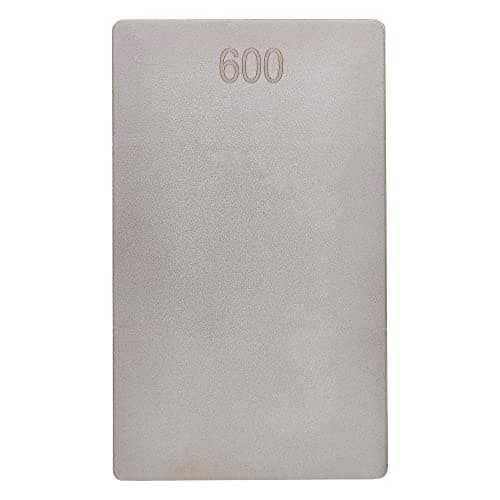
Trend Trend DWS/CC/FC Credit-Card Diamond Stone
Trend DWS/CC/FC Credit-Card Diamond Stone

The touch-up stone that lives in the apron. Three inches of double-sided diamond in a wallet — not a sharpening system, but the reason your chisel is still cutting at the end of the job.

Best pocket touch-up
8.0
$22.89Amazon

#ad · Live prices from the Amazon Product API, as of Sep 1, 2026. Where we have no verified live price, we show none — we would rather leave a gap than print a number that has rotted.

In detail

The picks, in full

01
King King KW65 1000/6000 Combination Whetstone

Best overall

King KW65 1000/6000 Combination Whetstone

1000 / 6000 gritWater stonePlastic baseCombination block
7.4/10

The stone that has taught more people to sharpen than any other. One block covers the two grits a chisel actually needs, and it costs less than a single premium stone.

Cutting speed
8
Edge finish
8
Flatness retention
5
Convenience
6
Value
10

Pros

  • 1000 sets an edge and 6000 polishes it — the whole job on one stone
  • Cuts fast because it is soft, which is exactly what a beginner wants to feel
  • Cheap enough that dishing it while learning costs nothing to fix

Cons

  • Soft binder dishes quickly — you must flatten it regularly
  • Needs soaking before use, so it is not a grab-and-go stone

Don't buy this if…

you will not flatten it. A dished water stone rounds your bevel and teaches you the wrong angle.

$28.00View on Amazon

$31.2010% off

Price as of Sep 1, 2026. Prices change — Amazon's is the one that counts.

#ad · we may earn a commission from this link to King KW65 1000/6000 Combination Whetstone

02
SHARPAL SHARPAL 162N 8-in Double-Sided Diamond Stone

Best low-maintenance

SHARPAL 162N 8-in Double-Sided Diamond Stone

8 × 3 in plateDouble-sided diamondCoarse / fineNon-slip base
8.6/10

The stone that never needs flattening. A big 8 × 3-inch diamond plate, coarse on one face and fine on the other — the low-maintenance answer for a shop that sharpens irregularly.

Cutting speed
9
Edge finish
7
Flatness retention
10
Convenience
9
Value
8

Pros

  • Diamond plates stay flat, which removes the single biggest beginner mistake
  • 8 × 3 inches is wide enough to hone a plane iron without overhanging
  • Works dry or with water — no soaking, no mess

Cons

  • Diamond plates cut aggressively when new and settle down after a break-in period
  • Will not take an edge as high as a fine water stone

Don't buy this if…

you want a mirror polish on a paring chisel. Finish on a fine water stone or a strop after this.

$62.99View on Amazon

$69.9910% off

Price as of Sep 1, 2026. Prices change — Amazon's is the one that counts.

#ad · we may earn a commission from this link to SHARPAL 162N 8-in Double-Sided Diamond Stone

03
Shapton Shapton GlassStone 1000

Best for fast, flat honing

Shapton GlassStone 1000

1000 gritGlass-backedCeramic abrasiveSplash and go
8.2/10

A thin ceramic abrasive bonded to a glass plate. It cuts fast, stays flat far better than a soft water stone, and needs only a splash of water rather than a soak.

Cutting speed
9
Edge finish
8
Flatness retention
9
Convenience
9
Value
6

Pros

  • Glass backing keeps the abrasive layer dead flat as it wears
  • Splash-and-go — no ten-minute soak before you can sharpen
  • Cuts hard tool steels that clog softer stones

Cons

  • Thin abrasive layer means a finite number of flattenings over its life
  • One grit only, so it is part of a progression rather than a whole kit

Don't buy this if…

you want one purchase that does everything. This is a middle grit; you still need coarse and fine.

$56.70View on Amazon

Price as of Sep 1, 2026. Prices change — Amazon's is the one that counts.

#ad · we may earn a commission from this link to Shapton GlassStone 1000

04
Norton Norton Waterstone Starter Kit (220/1000 + 4000/8000)

Best complete kit

Norton Waterstone Starter Kit (220/1000 + 4000/8000)

220/1000 + 4000/8000Water stonesFlattening stone incl.Stone holder incl.
7.4/10

The complete grit ladder in one box, including the flattening stone most people forget to buy. Four grits from repair-coarse to polish, plus a holder.

Cutting speed
8
Edge finish
10
Flatness retention
6
Convenience
6
Value
7

Pros

  • Covers the full progression — no half-finished setup and no second shopping trip
  • Includes the flattening stone, which is the part beginners skip and then regret
  • 8000 finish is fine enough for paring chisels and smoothing-plane irons

Cons

  • The most expensive way in here by some distance
  • Water stones need soaking, flattening and somewhere wet to work

Don't buy this if…

you sharpen twice a year. The maintenance overhead of four water stones is not worth it at that rate.

$221.99View on Amazon

Price as of Sep 1, 2026. Prices change — Amazon's is the one that counts.

#ad · we may earn a commission from this link to Norton Waterstone Starter Kit (220/1000 + 4000/8000)

05
DMT DMT W250CXNB DuoSharp 10-in Diamond Bench Stone

Best for heavy work

DMT W250CXNB DuoSharp 10-in Diamond Bench Stone

10 in plateCoarse / extra-coarseDiamondDouble-sided
7.8/10

The grinding plate. Coarse and extra-coarse on a 10-inch double-sided diamond bench stone — this is what you reach for to flatten a back or reset a chipped bevel without a grinder.

Cutting speed
10
Edge finish
4
Flatness retention
10
Convenience
8
Value
7

Pros

  • Removes steel fast enough to flatten a chisel back in one session
  • 10-inch length gives a long, controlled stroke on plane irons
  • Interrupted surface clears swarf so the plate keeps cutting

Cons

  • Both faces are coarse — this is not a finishing stone in any sense
  • One of the more expensive plates here

Don't buy this if…

your tools are already flat and you only touch up edges. You would never use either grit.

$137.36View on Amazon

Price as of Sep 1, 2026. Prices change — Amazon's is the one that counts.

#ad · we may earn a commission from this link to DMT W250CXNB DuoSharp 10-in Diamond Bench Stone

06
Trend Trend DWS/CC/FC Credit-Card Diamond Stone

Best pocket touch-up

Trend DWS/CC/FC Credit-Card Diamond Stone

300 / 600 grit3 in double-sidedDiamondStorage wallet
8.0/10

The touch-up stone that lives in the apron. Three inches of double-sided diamond in a wallet — not a sharpening system, but the reason your chisel is still cutting at the end of the job.

Cutting speed
7
Edge finish
5
Flatness retention
9
Convenience
10
Value
9

Pros

  • Small enough that you actually carry it, which is the whole point
  • Diamond means it stays flat in a pocket where a soft stone would not
  • Costs about the same as a mid-grade chisel handle

Cons

  • Far too small to flatten a back or hone a wide plane iron
  • 600 grit is a working edge, not a finished one

Don't buy this if…

this would be your only stone. It is a supplement to a bench setup, never a replacement.

$22.89View on Amazon

Price as of Sep 1, 2026. Prices change — Amazon's is the one that counts.

#ad · we may earn a commission from this link to Trend DWS/CC/FC Credit-Card Diamond Stone

The grit progression, and how few stones you really need

A working setup needs three things, and one stone can cover two of them:

  • Coarse (about 220–400): for flattening backs, repairing chips and re-establishing a bevel. Used rarely, but nothing else does the job.
  • Medium (about 1000): the working stone. This is where an edge is actually created, and it is the grit you will use most.
  • Fine (4000–8000, or a strop): polishing. Turns a sharp edge into a keen one.

The cheapest complete setup is a 1000/6000 combination water stone plus something flat to dress it — which is why the King KW65 leads this list. The most convenient complete setup is a coarse/fine diamond plate plus a strop. Both work. Neither is wrong.

Do you need a honing guide?

For a beginner, yes. A honing guide clamps the tool at a fixed angle and rolls it across the stone, which removes the single hardest part of learning — holding a consistent angle. Freehand is faster once learned and needs no gear, but plenty of excellent woodworkers use a guide for life. There is no purity test here.

Water stones vs diamond vs ceramic, plainly

Water stones

Fastest cutting at a given grit, finest achievable edge, cheapest for the finish they produce. In exchange: they need soaking or wetting, they dish and must be flattened, and they make a mess. Best for someone who sharpens weekly and has a spot where water is welcome.

Diamond plates

Permanently flat, work dry or wet, cut hard steels that glaze softer stones, and need no maintenance beyond a wipe. In exchange: they cut aggressively when new and settle down after a break-in period, they cost more per grit, and the finest grades still do not match a fine water stone for polish. Best for someone who sharpens occasionally and wants zero ceremony.

Ceramic and glass-backed stones

Splash-and-go, far more stable than soft water stones, and they cut modern alloy steels well. In exchange: the abrasive layer is thin, so there is a finite amount of flattening in one, and they are sold one grit at a time rather than as combinations. If you are weighing the two families directly, this side-by-side on ceramic vs waterstones goes deeper on cutting speed and long-term maintenance than we have room for here.

Two setups that cover almost everyone

The cheap complete setup: a King KW65 1000/6000 combination stone plus a flattening plate or a sheet of coarse wet-and-dry on glass. Add a leather strop with compound later. This will sharpen every chisel and plane iron in a normal shop, and it costs less than one premium stone.

The no-maintenance setup: a SHARPAL 162N double-sided diamond plate plus a strop. Nothing to soak, nothing to flatten, and the plate doubles as the flattener if you later add a water stone. Slightly less keen an edge, considerably less faff.

Where the specialists fit

The DMT DuoSharp is a repair tool — coarse and extra-coarse, for flattening backs and resetting chipped bevels without a grinder. The Norton kit is the whole ladder in one box including the flattening stone, for someone who wants to buy once. The Trend card stone lives in an apron pocket for touch-ups at the bench, and is a supplement rather than a system.

What we could not verify

We have not measured edge sharpness or stone wear rates. Grits, dimensions and abrasive types above are the manufacturers' published specifications. The behavior of each abrasive family is standard, documented material science — not a test we ran, because we do not have a lab.
How we picked

We do not run a testing lab

We researched published manufacturer specifications, manuals and spec sheets, ran the arithmetic those specs support, and read owner reviews at volume, then scored each tool against a published rubric. The scores are judgments from documented research — they are not measurements we took, because we do not have a lab and we are not going to pretend we do. Where a number came from a manufacturer's document, we name it and link it in Sources.

Questions

Frequently asked

What grit sharpening stone do I need for chisels?
A 1000-grit stone does the real work of creating an edge, and a 4000–8000 stone or a strop polishes it. Add a coarse stone (220–400) for flattening backs and repairing chips — you will use it rarely but nothing else will do the job.
Are diamond stones better than water stones?
Different, not better. Diamond plates stay flat forever and need no soaking, which removes the most common beginner problem. Water stones cut faster at a given grit and reach a finer edge, at the cost of regular flattening. Pick based on how often you will sharpen and how much maintenance you will tolerate.
How often do I need to flatten a water stone?
More often than people expect — soft stones dish visibly within a few sharpening sessions. The practical habit is to flatten at the start of every session rather than waiting until you notice. It takes under a minute and prevents the rounded-bevel problem entirely.
Do I need a honing guide?
If you are learning, it helps enormously — it holds the angle for you, which is the hardest part. Freehand is faster once mastered and needs nothing but the stone. Many experienced woodworkers keep using a guide, so there is no reason to feel you must graduate from one.
Can I sharpen with sandpaper instead of stones?
Yes — wet-and-dry paper stuck to plate glass or a granite offcut is a genuinely effective and very cheap sharpening system, and it is always dead flat. The downside is running cost and constantly replacing paper. It is an excellent way to start before committing to stones.

Keep reading

Receipts

Sources

We do not run a testing lab, and we do not pretend to. Our picks come from published manufacturer specifications and manuals, the arithmetic those specs support, and owner reviews read at volume. Where we could not verify something, we say so on the page rather than quietly leaving it out. Read our full method.