Wood dust is classified by the International Agency for Research on Cancer as carcinogenic to humans — its Group 1, the same category it uses for asbestos and tobacco smoke. That classification rests on a well-documented association between occupational wood dust exposure and cancers of the nasal cavity and paranasal sinuses.
It is worth being precise about what that does and does not mean. Group 1 describes the strength of the evidence that something can cause cancer, not the size of the risk at a given exposure. The evidence linking wood dust to sinonasal cancer comes largely from furniture and cabinet workers with decades of heavy daily exposure in poorly ventilated factories — not from someone cutting a bookshelf at weekends.
But it does mean the hazard is real rather than a precaution invented to sell respirators, and it means the sensible response is to reduce exposure where reducing it is cheap. Which, in a home shop, it is.
The particles that matter are the ones you cannot see
Sweep a floor and you see visible dust. That fraction is largely nuisance — it settles out of the air within minutes and your nose and throat catch most of what you inhale.
The problematic fraction is the fine, respirable dust produced mainly by sanding, routing and machining. These particles are small enough to bypass the upper airway and reach deep into the lungs, and light enough to remain suspended for hours after you have finished and swept up. This is why a shop can look clean and still have a serious dust problem — and why running an air filter after you stop work matters as much as running it during.
Not all wood is equal
Beyond the general classification, some species are recognized specific hazards:
Western red cedar is one of the best-documented occupational respiratory sensitizers in woodworking. Repeated exposure can cause occupational asthma in susceptible people, and once sensitized, very small exposures trigger a reaction.
Hardwood dust generally carries a stronger association with sinonasal cancer in the occupational literature than softwood dust.
Exotic and tropical species — cocobolo, wenge, padauk and others — are well known among woodworkers for causing skin and respiratory reactions, sometimes on first exposure and sometimes only after sensitization builds over years.
Engineered sheet goods add their own issue. MDF and particleboard dust is extremely fine, and the binders may include formaldehyde-based resins. Treat MDF machining as a respirator job.
Spalted and moldy timber carries fungal spores as well as wood dust, which is a separate respiratory risk and a good reason not to machine badly stored stock without protection.
The three-layer defense
Each layer catches what the previous one missed. None of them works alone.
1. Capture it at the machine
Dust that never becomes airborne is dust you never have to filter or breathe. This is by far the highest-value layer, and it is why a dust collector connected to the machines that make the most fine dust — sanders, routers, the planer — is the first purchase, not the last. Machine-by-machine capture is covered in our table saw and miter saw guides.
2. Filter the room
Capture is never complete. An air filtration unitmoves the shop's air through a filter repeatedly, pulling out the suspended fraction. Run it while you work and leave it running afterwards — the fine dust is still airborne long after you have put the tools down. Where you can, open a door or a window as well; dilution is free.
3. Protect your face
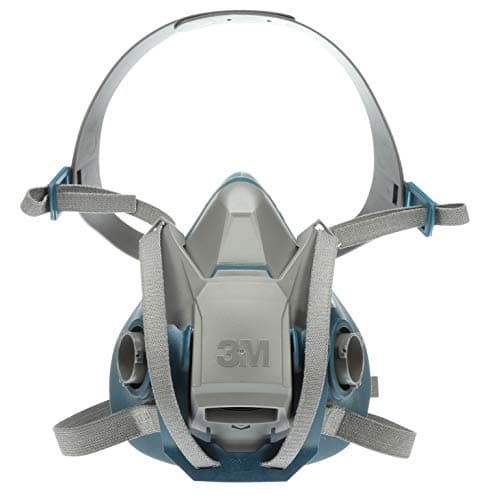
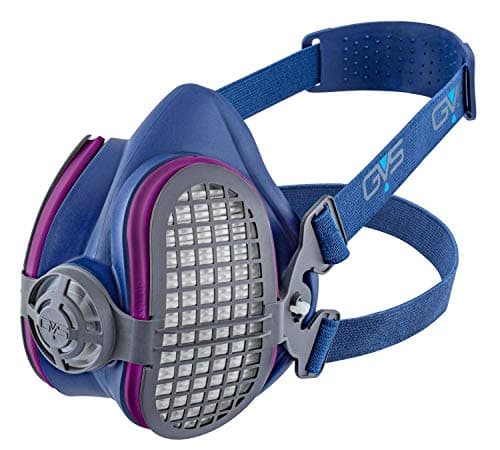
For sanding, machining MDF, or any long session, wear a proper respirator — a rated half-mask or an N95-class disposable, fitted so it seals. A loose paper mask over stubble filters very little, because air takes the easiest path and that path is around the edge. Eye protection belongs in the same habit: our safety glasses roundup covers what actually stays on your face.
Habits that cost nothing
Do not blow dust off with compressed air. It takes settled dust that was doing no harm and puts all of it back into the air you are standing in. Vacuum instead.
Do not dry-sweep the fine stuff. A broom on sanding dust is compressed air in slow motion. Vacuum with a shop vac fitted with a fine filter.
Leave the air filter running. Twenty minutes after you stop is when it does much of its useful work.
Change clothes, or at least brush down. Dust carried into the house on clothing puts it in the air where the rest of the household is breathing.
Empty collectors outdoors, and wear the respirator while you do it. Emptying a bag or a bin indoors undoes a good part of the collection it just did.
What we are not saying
We are not telling you a weekend in the shop will make you ill, and we are not quoting a threshold below which you are safe. Occupational exposure limits for wood dust are published by OSHA and NIOSH, they have changed over time, and the current figures are the sort of thing you should read at the source rather than trust from a woodworking site — including this one. The sources below are where to look.
The practical point is simpler than any number: fine dust is the one shop hazard whose damage accumulates silently, and reducing it is cheap. That is a good trade on any reading of the evidence.
What we could not verify
We are not occupational health professionals and this is not medical advice. The classification and species-specific hazards above are drawn from the published positions of IARC and OSHA, linked in Sources. We have not measured dust levels in any shop, and we quote no exposure figures of our own.