#adWe earn a commission when you buy through our Amazon links, at no extra cost to you. It never changes our rankings, and we say so when the cheaper tool is the better buy. How this works.
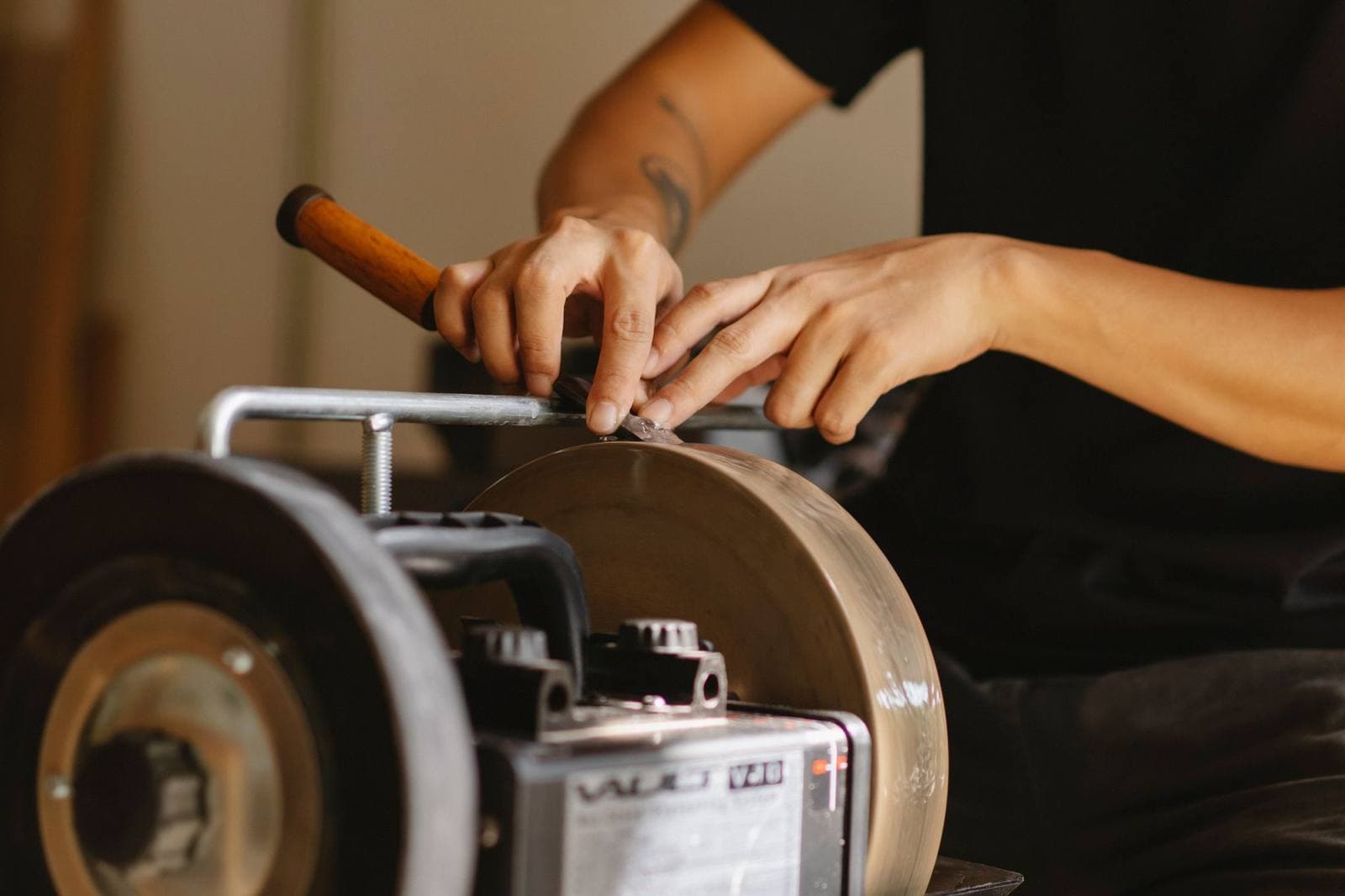
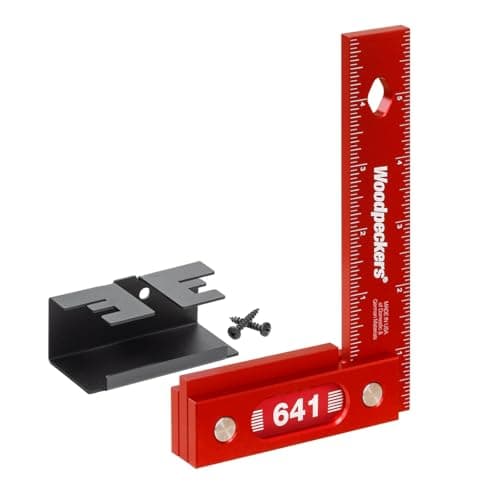
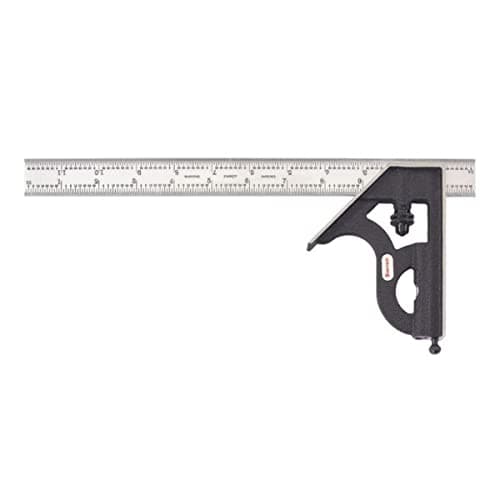
A woodworker who has everything does not, in fact, have everything. They have every tool that makes new work possible, and the cheap version of everything that does not. That is the gap, and it is remarkably reliable. The square they measure against is the one they bought in year one. Their sharpening setup works but is a chore. The respirator is a paper mask from a hardware store.
None of that is negligence — it is how anyone spends their own money. Upgrading something that already works is the hardest purchase to justify to yourself, which makes it the easiest thing in the world to be given. The three sections below are the three places that gap reliably opens up. Everything is drawn from research already published on this site; the methodology page explains how those rankings are made.
The rule that makes this easy
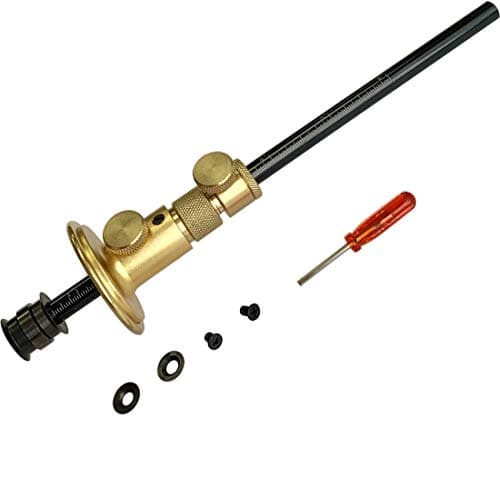
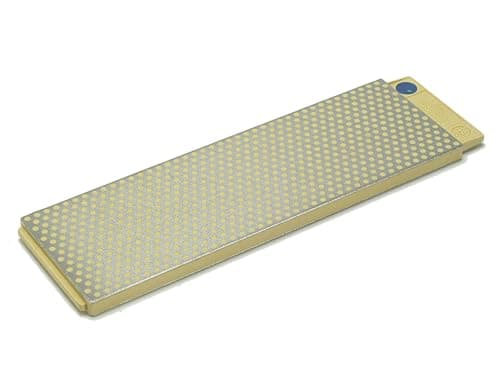
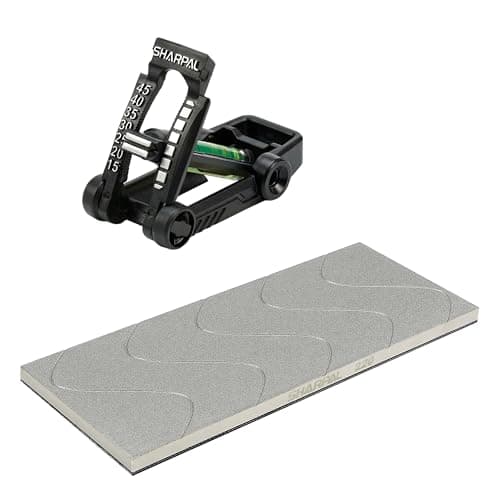
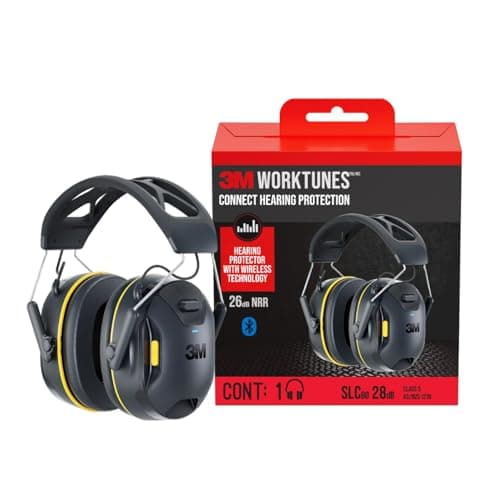
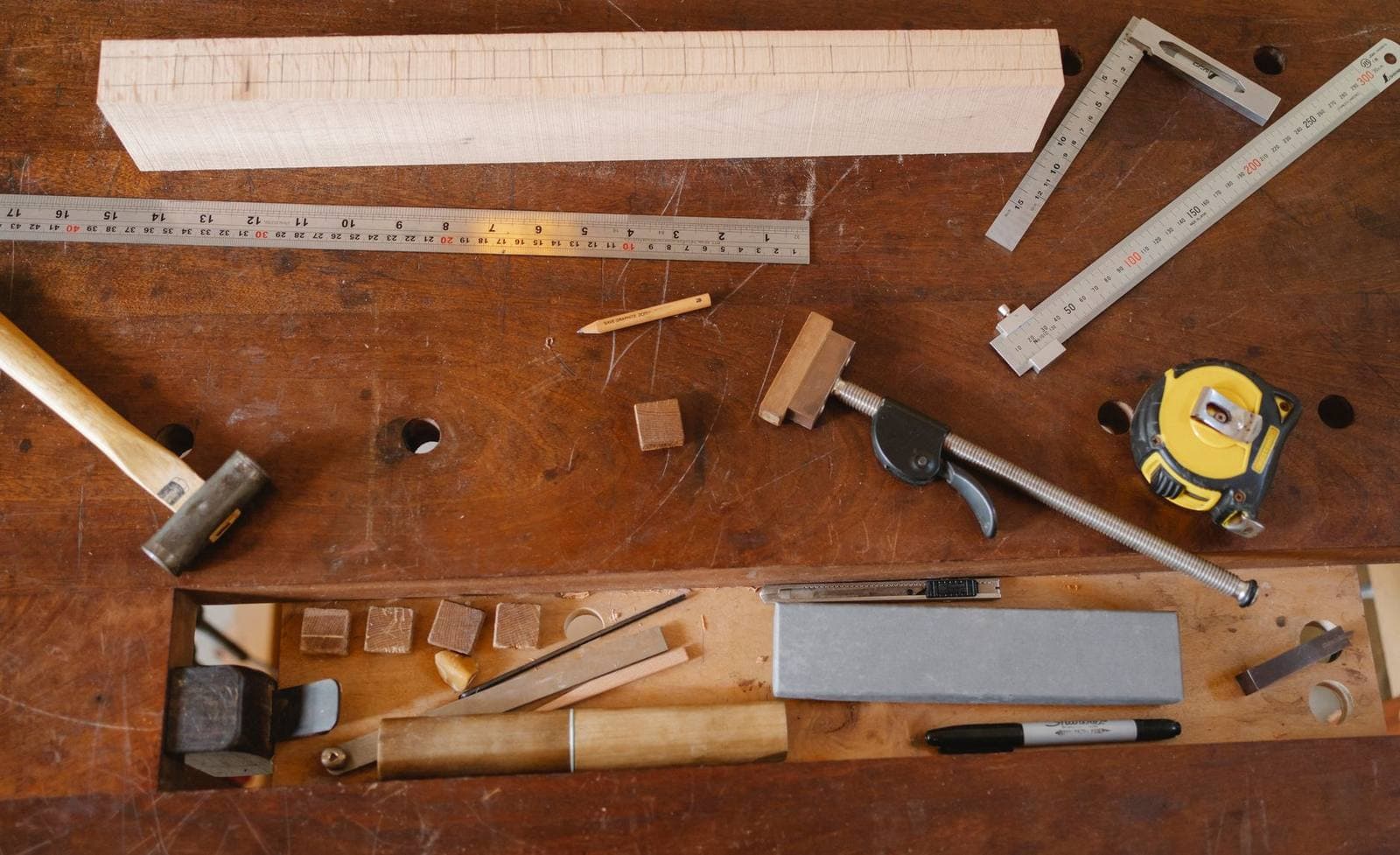
Do not try to find a tool they lack. You will not, and the search ends either in something gimmicky or in a duplicate. Instead, find something they own a mediocre version of. That list is long in every shop on earth, and it is almost entirely made up of things bought early, cheaply, and never revisited: the square, the marking gauge, the sharpening setup, the dust mask, the hearing protection, the router bits.
Why it works.Hobby money goes toward capability — the tool that makes a new thing possible. Replacing something that already works is the hardest spend to justify to yourself, even when the upgrade would be felt on every single project. That is a gap only a gift can fill, and it is why the picks on this page skew toward measuring, sharpening and protection rather than machinery.
The other reliable option is consumables at a quality they would not buy. A premium router bit, a good blade, proper abrasives. Consumables cannot be duplicates by definition, and the quality difference is visible in the cut.
What to avoid
Novelty tools, branded merchandise and anything described as a gadget. A woodworker with a full shop has developed strong opinions and a limited tolerance for things that take up bench space without earning it. Avoid machines entirely — at this level, a machine purchase is bound up with shop layout, dust extraction and electrical supply, and it is not a decision to make for somebody else. If you want to spend at that level, contribute toward something they have already chosen, and point them at our buying guides if they have not chosen yet.
If it turns out they are not as well equipped as you thought, the under-$150 page covers the tools that actually open up new work.